
/https://tf-cmsv2-journeys-media.s3.amazonaws.com/filer_public/73/08/730816e0-bdeb-4a5b-b37f-409e77fba78d/bsh_mostar_ist_982413458.jpg)
Across the Balkan Peninsula
16 days from $9,795
A Journey through Seven Countries in Europe’s Southeast
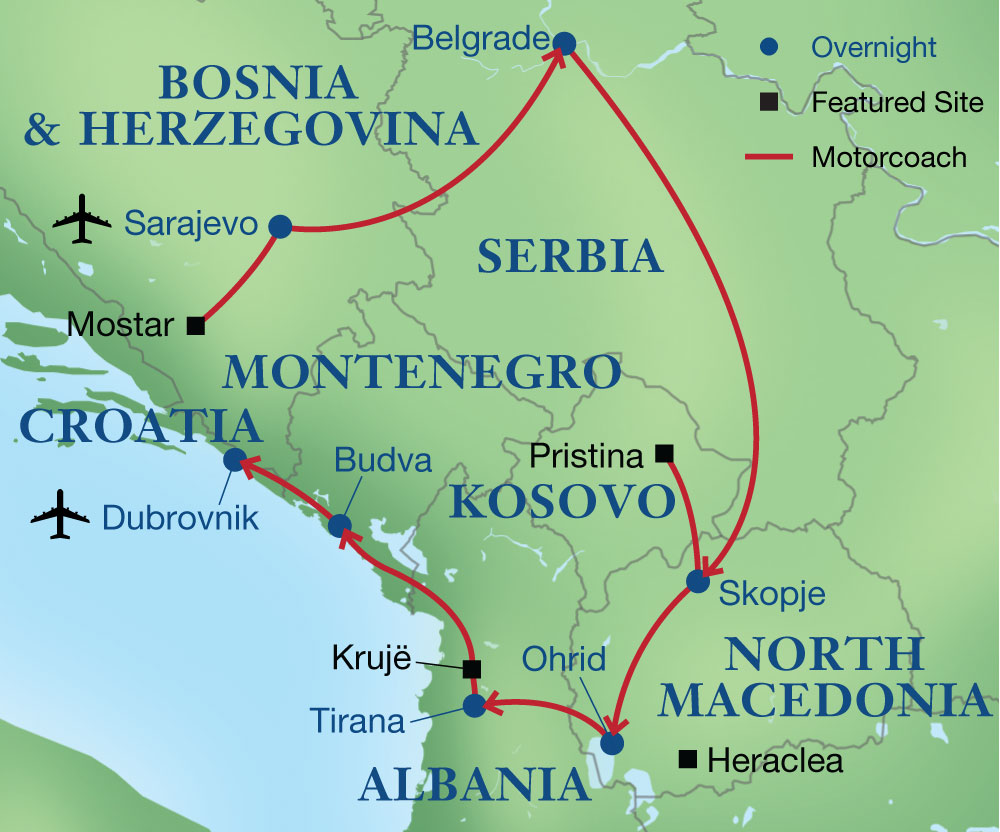
Journey through seven Balkan countries, discovering cultural treasures and natural beauty long hidden by 20th-century turmoil. Trace history from Greco-Roman ruins and Ottoman fortresses to Byzantine churches and Albania’s Cold War bunkers. Visit six World Heritage sites, including Mostar, Lake Ohrid’s monasteries, and Montenegro’s Kotor region. Explore diverse lands once united under Yugoslavia, meet locals for personal insights, and experience a rich tapestry of traditions and legendary hospitality.

Highlights
- Bosnia & Herzegovina: Explore the historic sites of Sarajevo and see the famous Ottoman bridge of Mostar from the top of a nearby minaret. In Blagaj, discover a centuries-old Sufi monastery tucked into a karst landscape and explore a hilltop castle; then tour the intriguing ruins of Visegrad.
- Serbia: Soak up the effervescent spirit of Belgrade in its lively center and the bohemian quarter of Skadarlija. Delve into the history of Yugoslavia and its legendary uniter, Josep Broz Tito, on visits to the House of Flowers and the Belgrade Fortress. Step back in time amid the Ottoman and Roman ruins of Niš.
- North Macedonia and Kosovo: Venture into colorful Ottoman markets and trace the legacy of Mother Teresa in Skopje, and enjoy a wine tasting at a château. Spend a night on the shores of Lake Ohrid, encountering gem-like Byzantine churches filled with frescoes and mosaics. Tour the Greco-Roman ruins of Heraclea and the Bronze Age village of the Bay of Bones, and meet with a family in Kosovo to hear a firsthand account of the Kosovo War.
- Albania: Trace the intriguing history of Enver Hoxha’s repressive regime amid the bunkers and Soviet-style buildings of Tirana, now transformed by the creativity of more recent generations. Travel toward the mountains to the historic town of Krujë and visit the historic sites of Shkodra.
- Montenegro: Stay in the charming beach town of Budva and stroll through its historic walled city. Immerse yourself in the World Heritage site of Kotor, sailing across its fabled gulf and discovering waterfront Perast.
- Dubrovnik: Cap off your Balkan adventure in storybook Dubrovnik with a guided tour and free time to soak up its charms on your own.
/https://tf-cmsv2-journeys-media.s3.amazonaws.com/filer_public/06/3e/063e30fb-9662-4d47-8d80-3813be6b2379/bsh_visegrad_mehmedpasasokolovicbridge_ist_812758428.jpg)
Itinerary
To see itinerary, please click on an option below.
Days 1-2 – Depart the U.S. / Sarajevo, Bosnia & Herzagovina
Fly overnight to Sarajevo, the capital of Bosnia & Herzegovina, and transfer to your hotel upon arrival. Your Balkan odyssey begins with a festive welcome dinner at a local restaurant. (D)
Day 3 – Sarajevo
Delve into the history of this intriguing capital city on a guided tour, exploring vestiges of Ottoman and Austro-Hungarian rule as well as reminders of the turbulent breakup of Yugoslavia. Venture into the Ottoman market, dating back to the 15th century, and visit the ornate Svrzina Kuca Oriental House. See the bridge where Archiduke Ferdinand was assassinated, setting off World War I, and visit Bey’s Mosque, a stunning example of Ottoman architecture. Then venture into the Sarajevo War Tunnel, which was dug as a conduit for food, supplies, communication during the historic 1,000-day siege of the city in 1993. After a lunch of local specialties, you'll have free time to explore Sarajevo as you wish. (B,L)
Day 4 – Mostar and Blagaj/Sarajevo
Set out on a day trip, beginning in the former Ottoman garrison town of Mostar, long a center of literature and craftsmanship and now a World Heritage site. Spanning the Neretva River at the heart of the Old Town is the Stari Most, the famous stone bridge for which the city was named. See this single-arched landmark, a remarkable feat of Ottoman engineering, and learn how it was meticulously restored after being destroyed during the Bosnian War. If you wish, climb to the top of the minaret of Koski Mehmed Pasha Mosque for a stunning view of the bridge. Then meander through the Turkish House for a glimpse into the life of a wealthy Bosnian family some 350 years ago. Continue to Blagaj for a visit to a Sufi monastery built in 1520 amid dramatic karst cliffs and springs. Ascend to medieval Blagaj Fortress, perched upon rocky crags with panoramic views of the Dinaric Alps. (B,D)
Day 5 – Visegrad and Belgrade, Serbia
Journey west toward Serbia, stopping in the Bosnian town of Visegrad to see another graceful Ottoman bridge, built over the Drina River in 1577 and now listed as a World Heritage site. Learn about its exceptional engineering and also its symbolism during the ethnic conflicts of the 20th century. After lunch, travel on to Belgrade, the former capital of a united Yugoslavia, poised at the junction of the Danube and Sava Rivers. Enjoy a free afternoon to explore the city’s lively, café-lined streets on your own before meeting for dinner. (B,L,D)
Day 6 – Belgrade
Settled by humans since the Stone Age, Belgrade has been destroyed and rebuilt nearly 40 times over the millennia—counting among its invaders Attila the Hun, the Visigoths, and the Magyars. Trace this fascinating history at the Museum of Yugoslav History, and see the House of Flowers, the mausoleum of Yugoslav president Josep Broz Tito. Step into the recently completed Basilica of St. Sava, whose vast interior sparkles with gold-encrusted mosaics, and descend marble stairs to see the frescoes and Murano glass decor of its vaulted crypt. Later, meander through Belgrade’s artsy Skadarlija district, which began as a Roma encampment and became a hub of writers, artists, and actors. At Belgrade Fortress, find remnants of Roman and Byzantine fortifications and take in expansive views. (B,L)
Day 7 – Niš/Skopje, North Macedonia
Travel to Niš, a Roman city poised at the crossroads of five important roads where Emperor Constantine was born in AD 272. Later sacked by the armies of Attila the Hun, Niš now bears reminders from many layers of history, from a fourth-century Roman villa to an Ottoman fortress to a Nazi concentration camp. Visit the Ottoman fortress built atop Roman and Byzantine ruins in the 18th century and surrounded by thick walls and a moat. Continue to Skopje after lunch, and enjoy the remainder of the day at leisure. (B,L)
Day 8 – Skopje
Explore the sites of Skopje, including the enchanting Ottoman old town of Čaršija. Meander along the narrow lanes of the old caravanserai, now home to mosques, teahouses, and craft workshops, and pass merchants sell hand-woven textiles, antiques, and produce. Ride the cable car up Vodno Mountain to the Milennium Cross for sweeping views of Skopje, and visit the Memorial House of Mother Teresa, built on the ruins of the church where she was baptized. Later, head to the Chateau Kamnik and learn about the acclaimed North Macedonian wines produced here during a wine tasting. Gather for dinner this evening. (B,D)
Day 9 – Pristina, Kosovo and Skopje
Set out on a full day excursion to Kosovo, which declared independence from Serbia in 2008, though its sovereignty is still not universally recognized. Explore the Ottoman-influenced capital of Pristina, and just outside of town, admire life-like frescos at a World Heritage-listed church inside Gračanica Monastery on a tour led by a Serbian Orthodox monk. In the afternoon, meet with an ethnic Albanian family to hear a firsthand account of life during the Kosovo War with Serbia in 1998–1999. Back in Skopje, see the 12th-century Byzantine Church of St. Panteleimon, the Mustafa Pasha Mosque, and visit the Holocaust Memorial Center near the old Jewish Quarter. (B,L)
Day 10 – Bitola and Ohrid
Drive to the city of Bitola for a visit to the nearby archaeological site of Heraclea, founded by Philip of Macedonia in the fourth century BC and later settled by the Romans and the Byzantines. Explore the ruins and see artifacts from the region at a museum in Bitola. Continue to Ohrid, a World Heritage-listed town perched on a lake that shares its name. Follow its winding cobbled streets to lovely churches including Saint Sophia, home to 1000-year-old frescoes. Tonight, sit down to a lively meze-style feast of traditional Macedonian favorites. (B,D)
Day 11 – Ohrid/Tirana, Albania
Begin the day at the archaeological complex of Plaoshnik, where Saint Clement Church stands on a hilltop overlooking Ohrid, surrounded by the ruins of multiple religious structures that came before it. Trace the shores of Lake Ohrid to the Bay of Bones Museum, where excavations of the lake bed revealed a late Bronze Age village built on piles over the water. Continue along the shore to the 10th-century Monastery of Saint Naum, perched on rocky cliffs above the water. After lunch, cross into Albania and check in to your hotel in its capital city, Tirana. Your evening is at leisure. (B,L)
Day 12 – Tirana
During a full day in Tirana, learn about the oppressive, four-decade rule of Enver Hoxha—and see how recent beautification efforts have transformed the city’s Soviet-era architecture. Visit the vast Skanderbeg Square, named for Albania’s national hero, who led a 25-year-long rebellion against the Ottomans. Ascend Dajti Mountain for panoramic views of the city, and visit Et’hem Bey Mosque, where the frescoes depict scenes of nature—a rarity in Islamic art. Learn about the 750,000 bunkers Hoxha ordered built across the country, and venture into the biggest of them all, Bunk’Art 1, a massive underground atomic shelter built to protect the country’s elite in the event of an attack. Now a center of contemporary art, the museum showcases artifacts from Hoxha’s repressive reign, and as well as meeting rooms and Hoxha’s own office, left just as they were in the 1970s. (B,L)
Day 13 – Krujë and Shkodra/Budva, Montenegro
Explore the cobbled lanes and castle of Krujë, a charming village backed by dramatic mountains from which Skanderbeg and his small army fended off the Ottomans for two decades. Continue to the town of Shkoder, set between the Adriatic and the Albanian Alps. Visit its landmarks, including an unusual clocktower and a mosques and hilltop citadel on a guided walk. Cross into Montenegro and spend the night in the seaside town of Budva. (B,D)
Day 14 – Budva and Kotor/Dubrovnik, Croatia
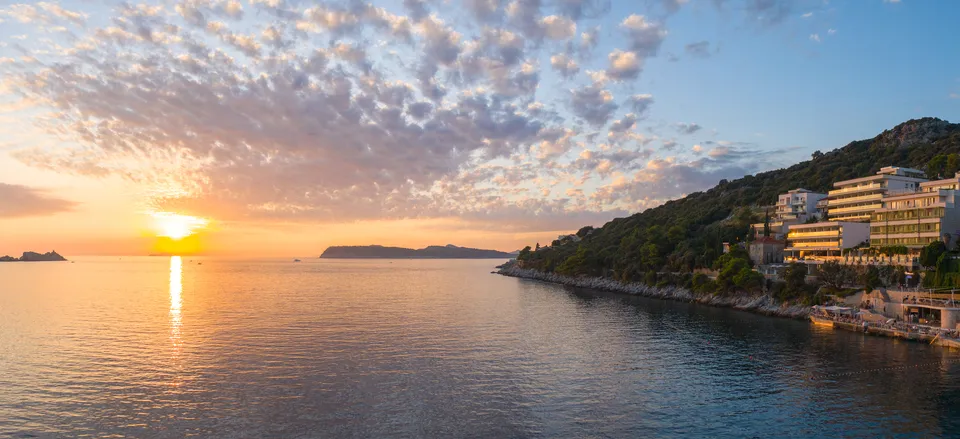
Take a walking tour of Budva, a popular beach resort with a picturesque Old Town tucked within walls built during the Venetian Empire. Then travel north to the Kotor region, and explore this World Heritage site, from the unusual Cathedral of Saint Tryphon to the baroque waterfront town of Perast. Ride a boat on the Gulf of Kotor to the iconic Church of Our Lady of the Rocks, said to be built atop rocks sunk by sailors over the centuries. Arrive in the medieval harbor city of Dubrovnik and enjoy the remainder of the day to explore on your own. (B,L)
Day 15 – Dubrovnik
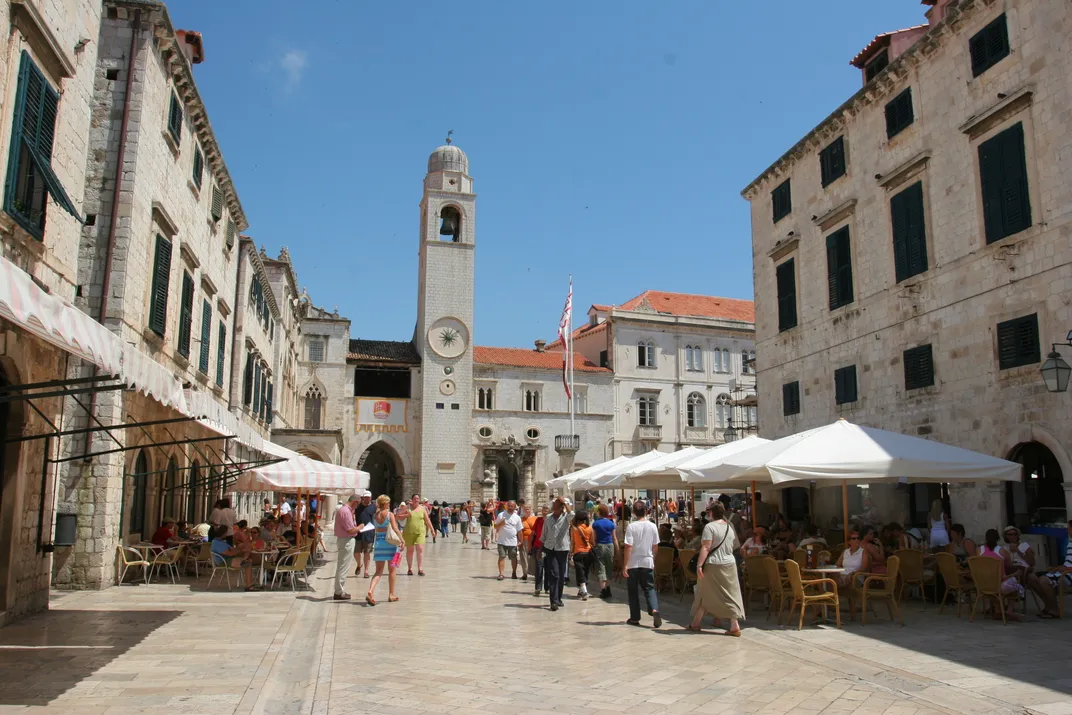
Ride the cable car up Srđ Hill for incredible views of the walled city below and the Adriatic beyond. Then set out to discover this incomparable World Heritage site, with visits to the Assumption Cathedral—home to a famous work by Titian—as well as the Franciscan Monastery. Gain insight into the city's cultural heritage during a lecture by a member of the Society of Friends of Dubrovnik Antiquities. Toast your Balkan journey at a festive farewell of traditional Croatian cuisine. (B,D)
Day 16 – Return home
Transfer to the airport in time for your flight home today. (B)
Included meals are denoted as follows: Breakfast (B), Lunch (L), Reception (R), Dinner (D)
/https://tf-cmsv2-journeys-media.s3.amazonaws.com/filer_public/73/08/730816e0-bdeb-4a5b-b37f-409e77fba78d/bsh_mostar_ist_982413458.jpg)
/https://tf-cmsv2-journeys-media.s3.amazonaws.com/filer_public/73/08/730816e0-bdeb-4a5b-b37f-409e77fba78d/bsh_mostar_ist_982413458.jpg)
/https://tf-cmsv2-journeys-media.s3.amazonaws.com/filer_public/06/3e/063e30fb-9662-4d47-8d80-3813be6b2379/bsh_visegrad_mehmedpasasokolovicbridge_ist_812758428.jpg)
/https://tf-cmsv2-journeys-media.s3.amazonaws.com/filer_public/9d/e7/9de73404-ee42-46a5-9507-c364c7f29e27/mtn_perast_kotorbay_ist_1074364992.jpg)
/https://tf-cmsv2-journeys-media.s3.amazonaws.com/filer_public/e0/ce/e0ce7e9c-0cdb-4127-a8cf-5aaceb479322/people_cuisine_cro_dubrovnik_alrf_w5htnw_copy_2.jpg)
/https://tf-cmsv2-journeys-media.s3.amazonaws.com/filer_public/06/34/063473f3-93cd-42ae-8b69-5dcc140e15b8/nmc_ohrid_monasterystnaum_ist_1277524230.jpg)
/https://tf-cmsv2-journeys-media.s3.amazonaws.com/filer_public/ce/d6/ced62b7f-3eaa-4651-bbb5-41436b22e894/mtn_kotor_st_969933008.jpg)
/https://tf-cmsv2-journeys-media.s3.amazonaws.com/filer_public/09/cd/09cd6ccb-54bd-4ae6-a4ce-ba90578342a3/bos_mostar_with_bridge_ist_1395885148.jpg)
/https://tf-cmsv2-journeys-media.s3.amazonaws.com/filer_public/48/3b/483bffe3-4599-4faa-be65-b88abe050e7a/bsh_sarajevo_ist_2149812776.jpg)
/https://tf-cmsv2-journeys-media.s3.amazonaws.com/filer_public/e7/3d/e73d404f-4571-4c84-b71c-0b241cc50d06/bsh_sarajevo_latinbridge_ist_495199168.jpg)
/https://tf-cmsv2-journeys-media.s3.amazonaws.com/filer_public/f1/b4/f1b4b093-453c-4f85-af75-3776e65df358/bsh_sarajevo_oldtown_market_ist_684000860.jpg)
/https://tf-cmsv2-journeys-media.s3.amazonaws.com/filer_public/71/de/71deae7d-fc76-4b0f-b017-fa1c9cfadb45/bsh_blagaj_tekkamonastery_ist_1461094239.jpg)
/https://tf-cmsv2-journeys-media.s3.amazonaws.com/filer_public/68/8b/688b24f0-8740-40ac-9b24-265367388564/srb_belgrade_ss_695817316.jpg)
/https://tf-cmsv2-journeys-media.s3.amazonaws.com/filer_public/bc/9e/bc9e6899-472f-49a8-9e41-64b7475b2f1b/srb_belgrade_fortress_ist_1369116230.jpg)
/https://tf-cmsv2-journeys-media.s3.amazonaws.com/filer_public/d3/ee/d3ee04f9-84df-413b-946c-b6f34486625a/srb_belgrade_stsavabasilica_ist_821663654.jpg)
/https://tf-cmsv2-journeys-media.s3.amazonaws.com/filer_public/9f/fa/9ffaab7d-c835-4a73-b9e9-80b7327ae574/srb_belgrade_skadarlijadistrict_ist_1488373629.jpg)
/https://tf-cmsv2-journeys-media.s3.amazonaws.com/filer_public/d8/3c/d83cf621-b473-401f-9e96-5b21d6bf891d/srb_nis_fortress_ss_2181113325.jpg)
/https://tf-cmsv2-journeys-media.s3.amazonaws.com/filer_public/04/a1/04a1a8bd-d009-47d0-b3cf-5a3092aad174/nmc_skopje_macedoniansq_alexanderstatue_ist_1409205414.jpg)
/https://tf-cmsv2-journeys-media.s3.amazonaws.com/filer_public/49/52/495276bc-8510-4fdb-852f-567913b73709/nmc_skopje_vodnomt_millenniumcross_ist_1776429200.jpg)
/https://tf-cmsv2-journeys-media.s3.amazonaws.com/filer_public/77/dc/77dccecb-1450-4589-96e4-101941e0ed02/nmc_ohrid_oldtown_ist_178386611.jpg)
/https://tf-cmsv2-journeys-media.s3.amazonaws.com/filer_public/53/e6/53e6d950-8046-436e-94cd-a205a6813fa0/nmc_lakeohrid_bayofbonesmuseum_ist_1201313605.jpg)
/https://tf-cmsv2-journeys-media.s3.amazonaws.com/filer_public/c2/93/c293eaee-c5c0-4e24-a163-224663f4c771/nmc_ohrid_stsophiafrescoes_ist_1172144848.jpg)
/https://tf-cmsv2-journeys-media.s3.amazonaws.com/filer_public/79/4d/794d066b-8185-42d2-84fe-6b95cfdc2149/nmc_heraclearomansite_ist_2181486366.jpg)
/https://tf-cmsv2-journeys-media.s3.amazonaws.com/filer_public/6b/c6/6bc69932-1ff3-4c11-b7c3-465c22ea5783/nmc_ohrid_monasterystnaum_ist_1304749307.jpg)
/https://tf-cmsv2-journeys-media.s3.amazonaws.com/filer_public/25/9e/259efc32-60c9-4ae1-8570-4fd43a44da32/ksv_pristina_gracanicamonastery_ist_1401314904.jpg)
/https://tf-cmsv2-journeys-media.s3.amazonaws.com/filer_public/05/ce/05ce2b75-6701-4c31-8ca2-12b0a2dedabf/alb_tirana_skanderbegsq_ist_540982496.jpg)
/https://tf-cmsv2-journeys-media.s3.amazonaws.com/filer_public/55/65/55658045-fd98-44cf-aca8-c153c8ddabe7/alb_tirana_ethembeymosque_interior_ist_183752175.jpg)
/https://tf-cmsv2-journeys-media.s3.amazonaws.com/filer_public/d1/fa/d1fac37d-53aa-494d-9991-02d8af749ace/alb_tirana_bunker_ist_2180187697.jpg)
/https://tf-cmsv2-journeys-media.s3.amazonaws.com/filer_public/4a/f6/4af6dfb9-9c4f-4f47-85fa-ebb0f2c2aa1e/alb_kruja_oldtown_ist_1310949251.jpg)
/https://tf-cmsv2-journeys-media.s3.amazonaws.com/filer/03/64/036431c3-6df5-4e9e-b495-06399f32a140/mne_kotor_bay_ss_09.jpg)
/https://tf-cmsv2-journeys-media.s3.amazonaws.com/filer_public/e2/a7/e2a780db-eed6-437d-b878-f8c4a3153a3d/mtn_kotor_sttryphoncathedral_ist_465612534.jpg)
/https://tf-cmsv2-journeys-media.s3.amazonaws.com/filer/e9/63/e9637395-c9df-4e54-bca1-b5516482d1b3/cro_dubrovnik_fort_ist_1083237774.jpg)
/https://tf-cmsv2-journeys-media.s3.amazonaws.com/filer/e4/3b/e43be496-362d-4666-9ba7-efcb8c2e16f8/cro_dubrovnik_port_ss_119814373.jpg)
Dates & Prices
Click on the departure date to see pricing. Click the for more information.
Dates
Availability
Price
Sep 15 - 30, 2026
Available
from $9,795
Prices are based on rates of exchange, airfare & fuel (where applicable), tariffs, taxes, and other costs as of the tour publication date. We reserve the right to correct errors and to increase program prices to cover increased costs, tariffs, and taxes received after prices are published and to reflect currency fluctuations.
/https://tf-cmsv2-journeys-media.s3.amazonaws.com/filer_public/9d/e7/9de73404-ee42-46a5-9507-c364c7f29e27/mtn_perast_kotorbay_ist_1074364992.jpg)
Experts
/https://tf-cmsv2-journeys-media.s3.amazonaws.com/journeys/expert/Adam_Tanner_headshot.jpg)
Adam Tanner
Writer & Journalist
Writer and lecturer Adam Tanner spent many years as a foreign correspondent for Reuters news agency, including as Balkans bureau chief; San Francisco bureau chief; …
Writer and lecturer Adam Tanner spent many years as a foreign correspondent for Reuters news agency, including as Balkans bureau chief; San Francisco bureau chief; and correspondent in Germany, Moscow, and Washington D.C. He has long studied colonialism, economic engagement, and globalization, with a particular interest in the enduring impact of Europe on Asia, Latin America, and Africa. He has appeared on CNN, MSNBC, Bloomberg TV, NPR, and the BBC, and written for publications such as Scientific America, Forbes, Fortune, Time, and Frommer’s guidebooks.
Adam was a fellow and associate at Harvard University from 2011-26, initially at the Nieman Foundation, then the Institution of Quantitative Social Science, and most recently, the Shorenstein Center Shorenstein Center on Media, Politics and Public Policy at the Kennedy School of Government. He has written two books on privacy and commerce: Our Bodies, Our Data and What Stays in Vegas.
+ Show more
/https://tf-cmsv2-journeys-media.s3.amazonaws.com/journeys/expert/Bremer_Thomas_2024.jpeg)
Thomas Bremer
Historian
Thomas Bremer is an expert on the history, culture, and contemporary situation of Central, Eastern, and Southeastern Europe. He is professor emeritus of Church History …
Thomas Bremer is an expert on the history, culture, and contemporary situation of Central, Eastern, and Southeastern Europe. He is professor emeritus of Church History and Eastern Churches Studies at the University of Münster in Germany, where he also earned his PhD. Thomas has been awarded research grants and fellowships from institutions including the Kennan Institute in Washington, D.C., and the Jordan Center at NYU. His publications include many articles and a dozen books, including Churches in the Ukrainian Crisis and Cross and Kremlin: A Brief History of the Orthodox Church in Russia, which has been translated into five languages. In addition to his academic career, he has served as a consultant on questions dealing with Eastern and Southeastern Europe. During the Yugoslav wars, he was active in reconciliation initiatives in the successor countries which involved religious communities as well as civil society groups.
Thomas has widely traveled is Central and Eastern Europe and is fluent in several of the local languages. He is especially interested in the significance of historical heritage for the contemporary situation in the countries he studies, and he is eager to share his fields of expertise on regions he knows intimately with Smithsonian Journeys guests.
+ Show more
/https://tf-cmsv2-journeys-media.s3.amazonaws.com/journeys/expert/Brennan_Christopher_2025.jpg)
Christopher Brennan
Historian
Christopher Brennan, guest researcher at the Austrian Academy of Sciences and lecturer at Masaryk University in Brno in the Czech Republic, is a historian who …
Christopher Brennan, guest researcher at the Austrian Academy of Sciences and lecturer at Masaryk University in Brno in the Czech Republic, is a historian who specializes in Central and Eastern Europe with a particular interest in the former Austro-Hungarian Empire, the Holy Roman Empire, Germany, and the history of the Czechs. Though British, he grew up in southwestern France. He obtained a BA in Modern Languages (German and Russian, plus Czech) at the University of Bristol and a master’s in Slavonic Studies from Oriel College at the University of Oxford.
Chris studied for a PhD at the London School of Economics on the subject of the disintegration of the Habsburg Empire and the degree of responsibility of its last monarch, Emperor Karl I. He taught undergraduates there for four years, with a one-year hiatus in Paris lecturing American undergraduates on French history and on the history of Eastern European communism. He has written on the memory of World War I and of the Habsburg Dynasty, on the Balkan Wars, on the author Joseph Roth, and on interwar Austria. He has also authored chapters for several volumes on the collapse of Austria-Hungary and its aftermath, and is now working on a biography of Karl I.
+ Show more
/https://tf-cmsv2-journeys-media.s3.amazonaws.com/journeys/expert/Emmert-Thomas.jpg)
Thomas Emmert
Historian
Thomas Emmert, professor emeritus at Gustavus Adolphus College, is a historian of Central and Eastern Europe with a research focus on the former Yugoslavia. Professor …
Thomas Emmert, professor emeritus at Gustavus Adolphus College, is a historian of Central and Eastern Europe with a research focus on the former Yugoslavia. Professor Emmert has also had visiting appointments at the University of Zagreb, the University of Minnesota, and Stanford University. He received his B.A. in history from St. Olaf College and his Ph.D. in Balkan and Russian history from Stanford University. A member of Phi Beta Kappa, he has been awarded research fellowships from the Fulbright Program, the Woodrow Wilson Foundation, the Ford Foundation, and the National Council for Eurasian and East European Research. His publications include Serbian Golgotha: Kosovo, 1389 (1990) and, most recently, The Scholars' Initiative: Confronting the Yugoslav Controversies (2009), a collaborative project of scholars from around the world dedicated to providing an objective analysis of what happened to Yugoslavia at the end of the 20th century. Professor Emmert has taught American undergraduates in semester programs in Zagreb and Berlin and has accompanied several educational trips to southeastern Europe.
+ Show more
/https://tf-cmsv2-journeys-media.s3.amazonaws.com/filer_public/e0/ce/e0ce7e9c-0cdb-4127-a8cf-5aaceb479322/people_cuisine_cro_dubrovnik_alrf_w5htnw_copy_2.jpg)
Tour Details
Accommodations
Colors Inn Sarajevo
Sarajevo, Bosnia and Herzegovina
Located in Sarajevo’s city center just minutes away from the lively Baščaršija old town, the Colors Inn offers contemporary rooms and a creative décor that taps into Bosnian cultural and natural heritage. The property features a restaurant that serves both local and international cuisine.
Hotel Moskva
Belgrade, Serbia
An iconic art nouveau property in the heart of Old Belgrade, the Hotel Moskva was built in 1906 and has been refurbished with modern amenities and comforts. The Moskva features a restaurant, aperitif bar, summer garden, coffeehouse, and confectionary.
DoubleTree by Hilton Skopje
Skopje, North Macedonia
Set along the Vardar River in central Skopje, the DoubleTree by Hilton Skopje offers spacious, thoughtfully designed rooms and modern conveniences. Its amenities include a restaurant, indoor pool, spa, and a well-equipped fitness room.
Unique Resort & Spa
Ohrid, North Macedonia
Unique is a stylish resort on the shores of Lake Ohrid, just steps from the waterfront promenade. A short drive from the historic center of Ohrid, the property features a restaurant serving Mediterranean and international cuisine, as well as a bar, spa, fitness center, and an inviting outdoor pool with a poolside bar and terrace. Spacious rooms have balconies or large windows overlooking the lake or the city.
Tirana International Hotel & Conference Center
Tirana, Albania
The recently renovated Tirana International Hotel & Conference Center offers a perfect blend of modern amenities and warm Albanian hospitality. This landmark establishment boasts sweeping city views from its prime Central Square location. With well-appointed rooms, multiple dining options, a fitness center, and versatile meeting spaces, it provides easy access to key cultural sites and institutions.
Avala Hotel and Villas
Budva, Montenegro
Set right on the beach near Budva's Old Town, the Avala Resort features an indoor and outdoor pool, a large spa and fitness center, two restaurants and wonderful views. Rooms are tastefully furnished and equipped with modern amenities.
Hotel More Dubrovnik
Dubrovnik, Croatia
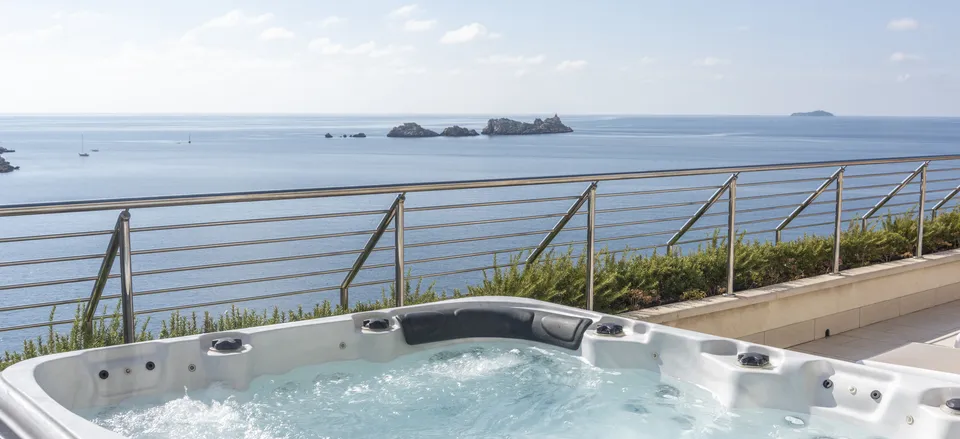
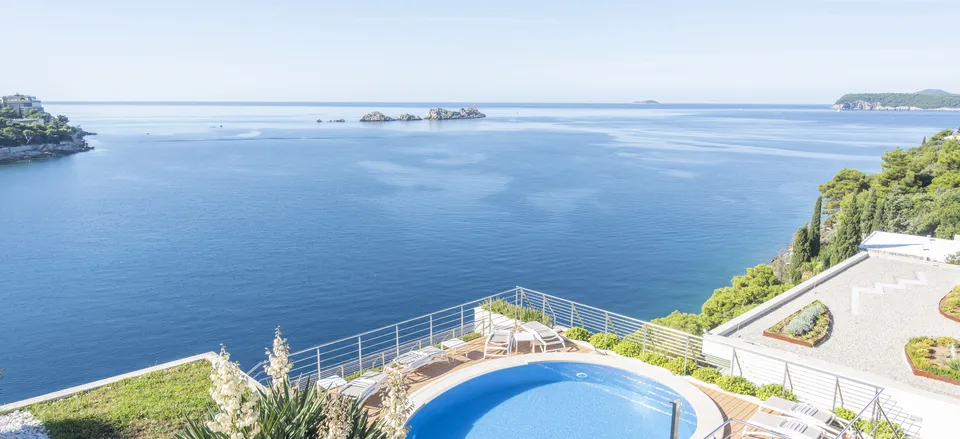
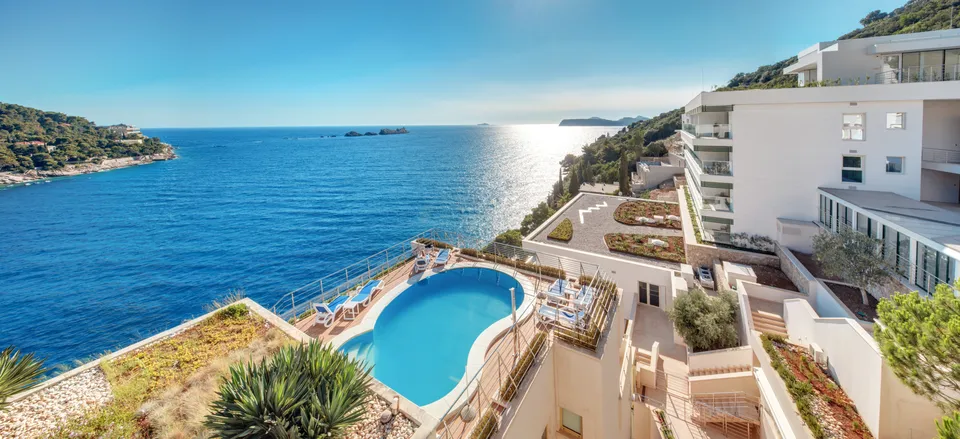
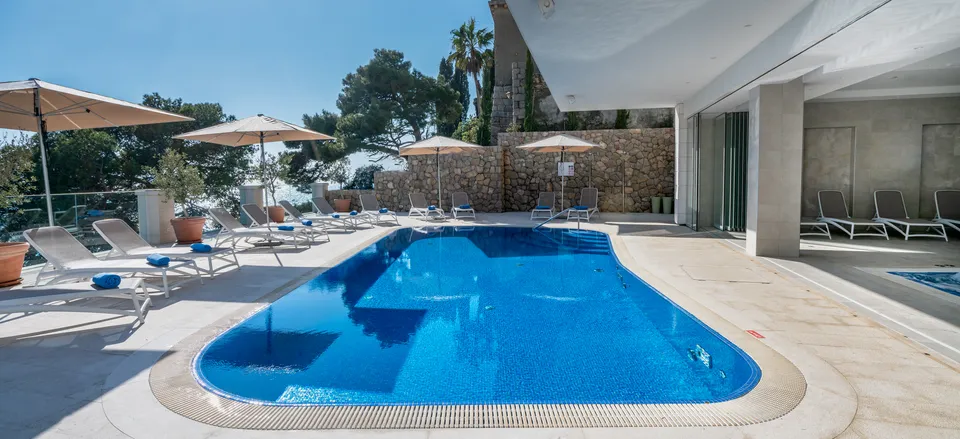
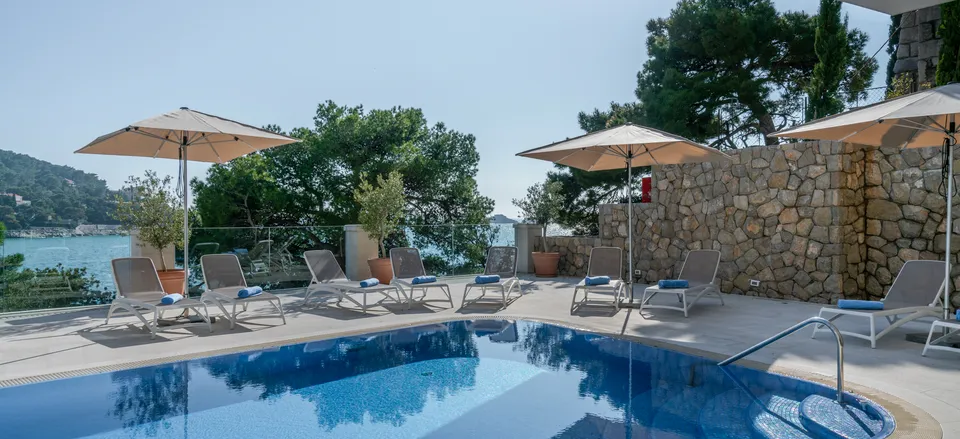
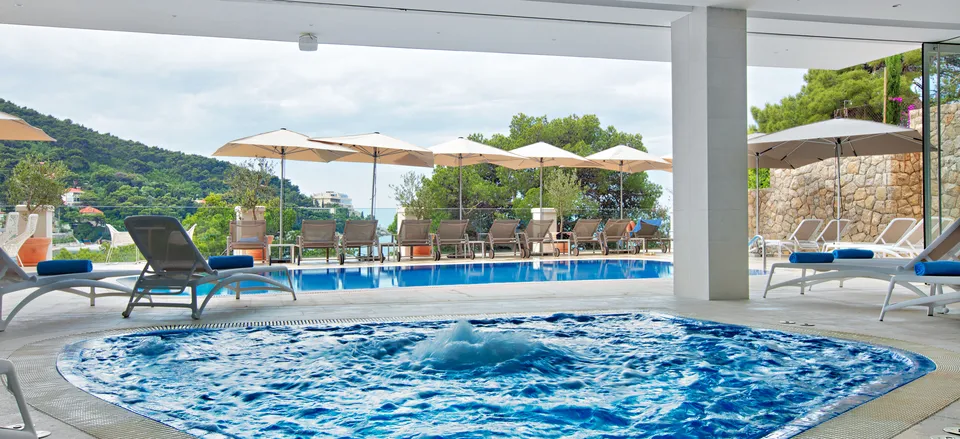
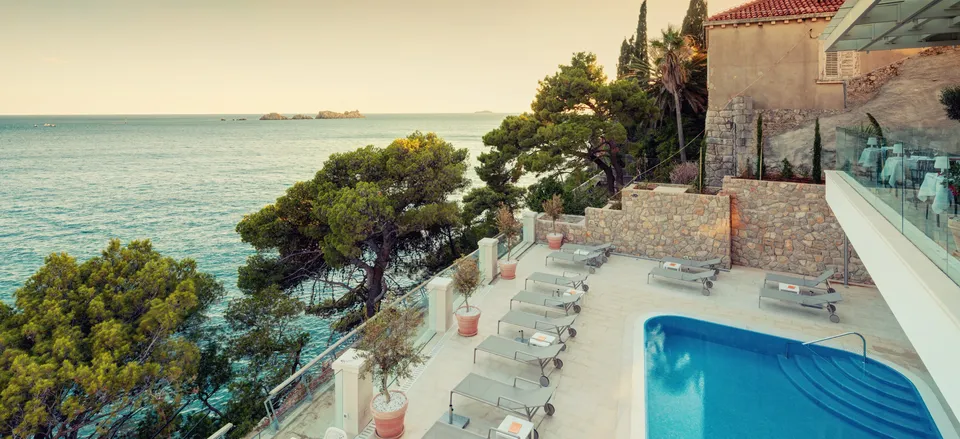
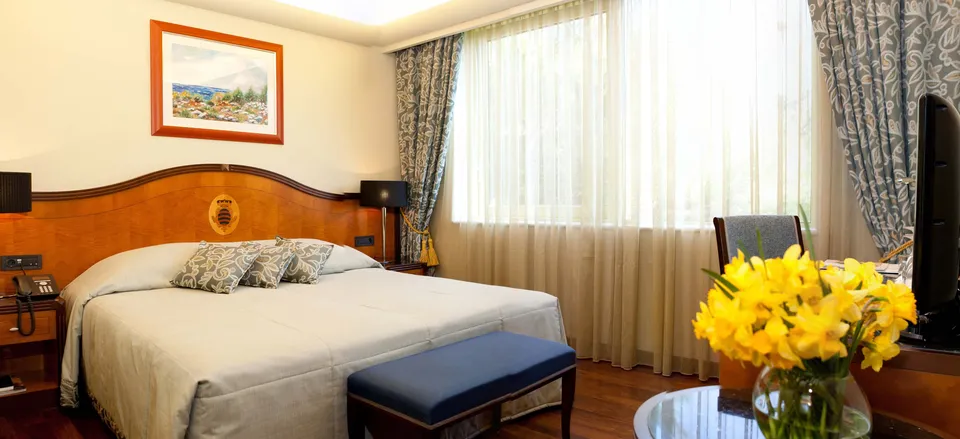
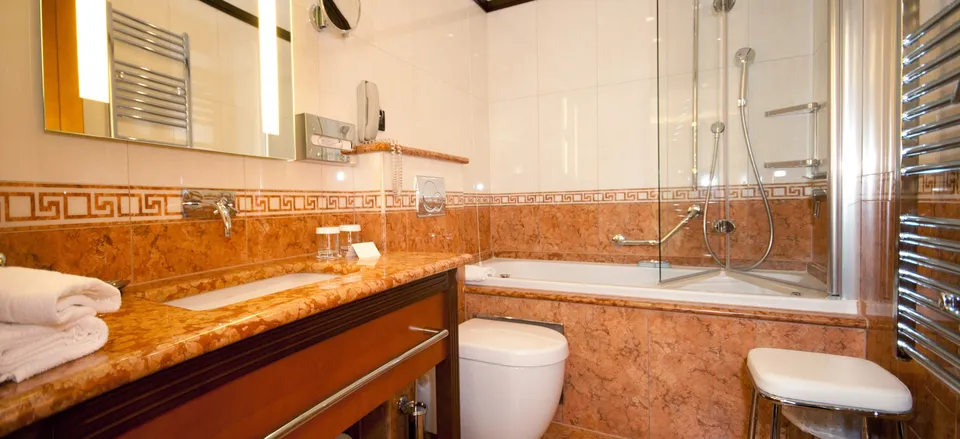
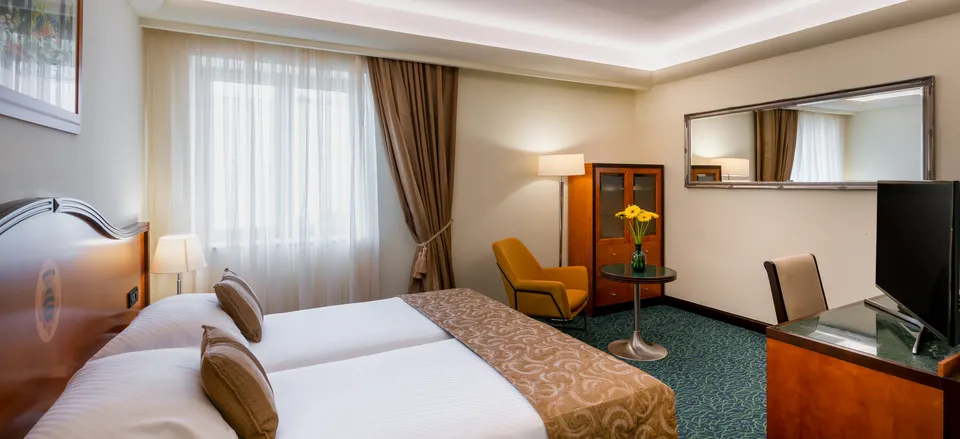
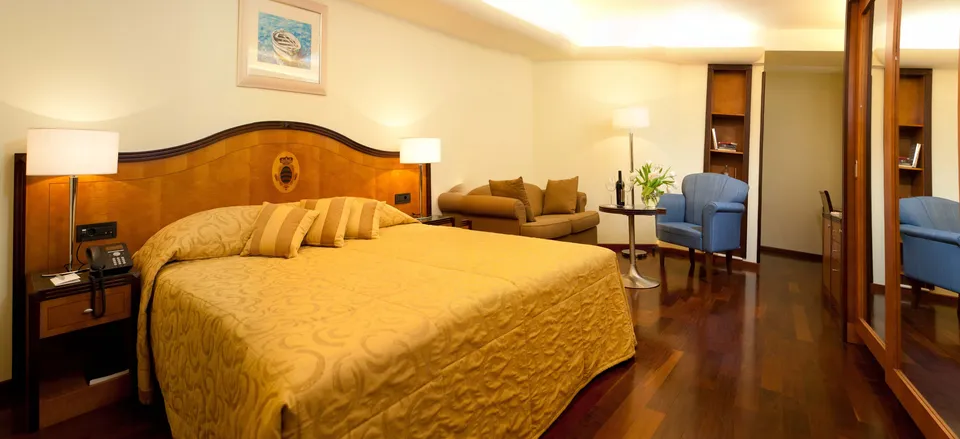
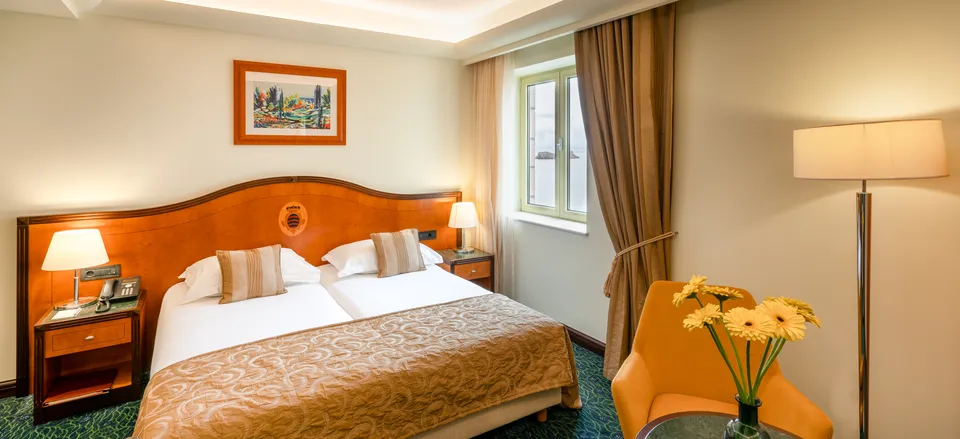
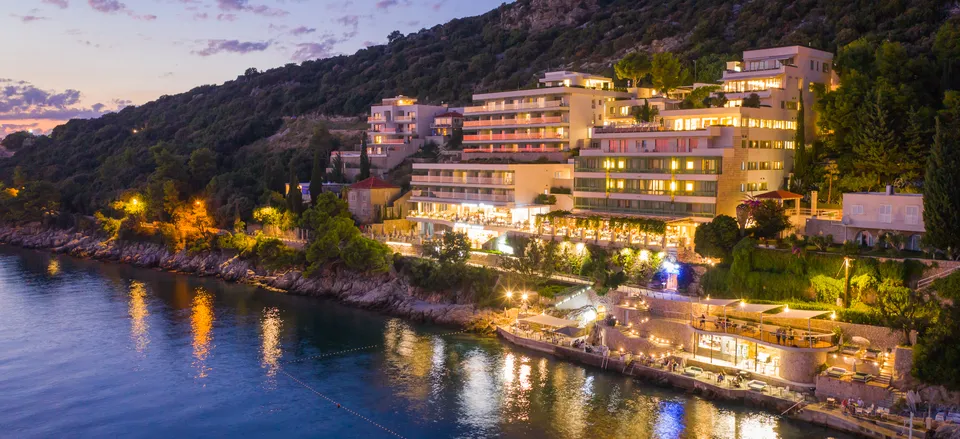
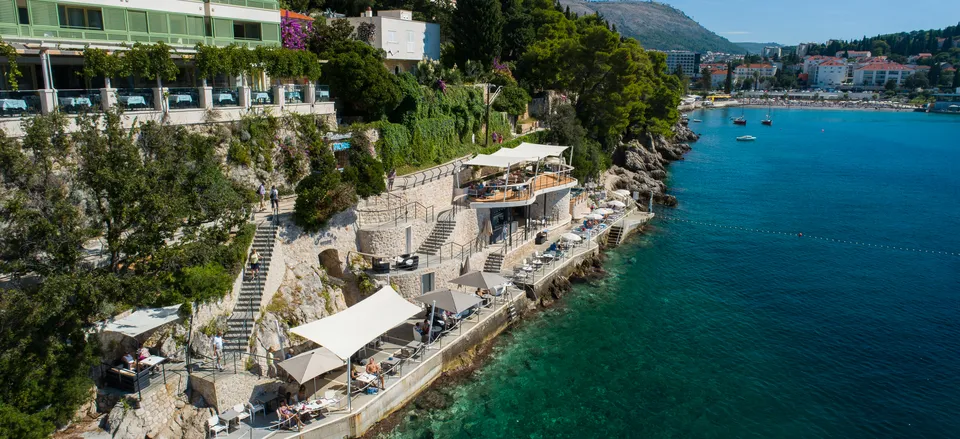
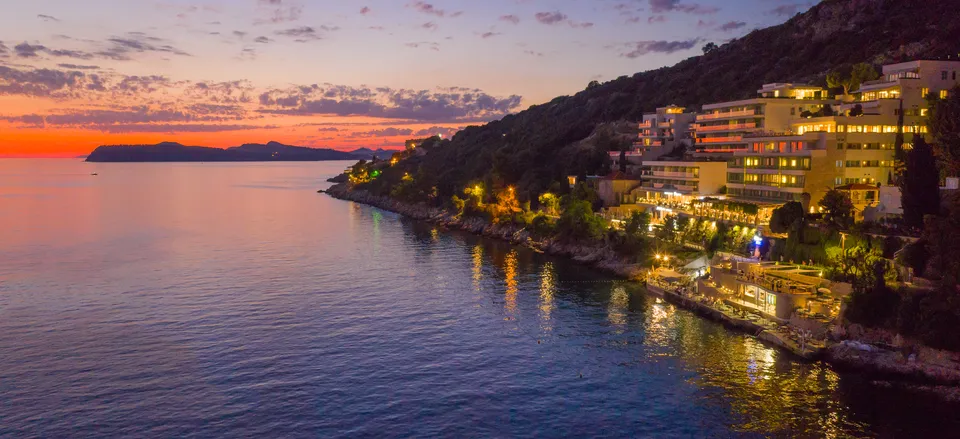
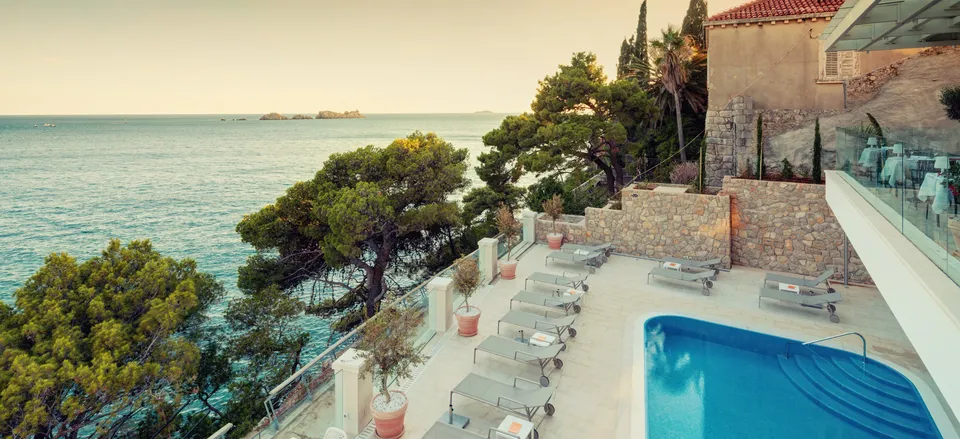
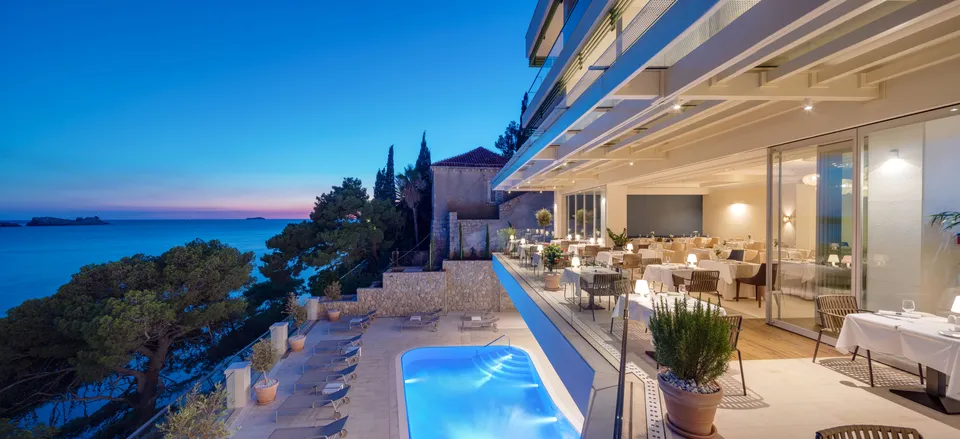
From its perch on the coast outside Dubrovnik’s Old Town, the Hotel More offers sea views and luxurious amenities, including a fine restaurant, a cafe and two bars, an outdoor pool, spa services and fitness center.
Activity Description
Expectations: Longer trip with multiple hotel changes, and long coach rides (from three to eight hours). This tour features a fast pace, long days of touring with daily activity of five to eight hours on most days, with extended walking of generally two to three miles. Walking entails sometimes difficult terrain (uneven surfaces, uneven steps in older buildings, city hills, steep staircases without handrails, little access to elevators even in some hotels, walking to city centers where coaches are prohibited, and navigating through crowds. Road conditions may vary from smooth highways to bumpy asphalt roads with potholes. Overland border crossings may require crossing up to half a mile on foot while carrying your own hand luggage. Every effort is made for comfort during this trip, however flexibility, a sense of humor, and a willingness to accept local standards of amenities and services are essential components to the enjoyment of this trip.
Appropriate for: Travelers who are physically fit, lead active lives, are comfortable participating in long days of activities, and expect some physical exertion.
Reading List
*As an Amazon Associate, Smithsonian Journeys earns from qualifying purchases.
Highly Recommended

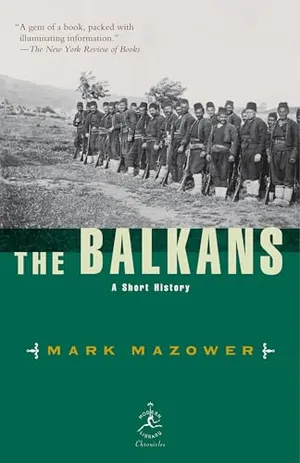

Also Recommended
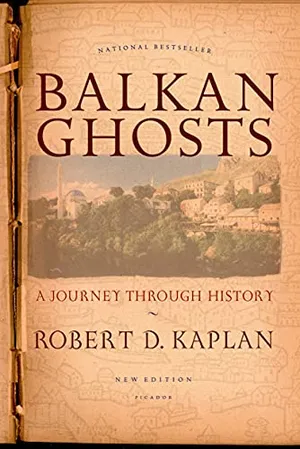

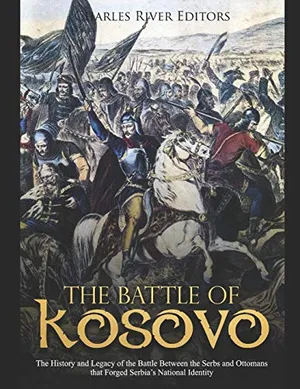

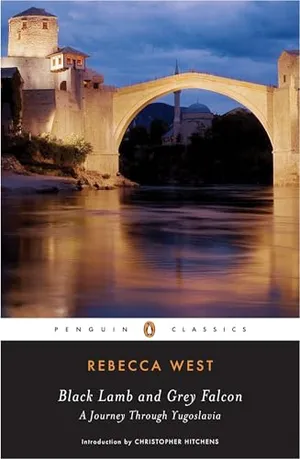
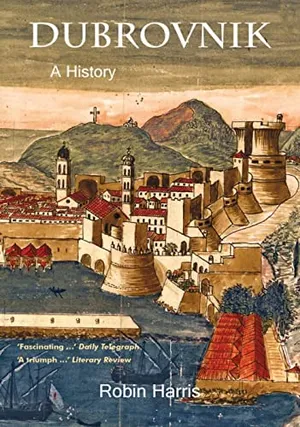
Travel Insurance
For the convenience of our travelers, Smithsonian Journeys includes a basic medical expense and evacuation plan through Trip Mate, a Generali Global Assistance & Insurance Services brand, at no additional charge. This plan provides post-departure Medical and Dental coverage of $250,000 per person and Emergency Assistance and Transportation coverage of $1,000,000 per person (U.S. Residents Only). Note: For full details regarding these coverages please review the following Plan Documents here.
In addition, we recommend that travelers purchase a travel protection plan to help protect their travel investment from unforeseen events such as cancellation due to illness, flight delays due to adverse weather, baggage loss, and more. For your convenience, Smithsonian Journeys offers an optional Travel Protection Plan administered by Trip Mate, a Generali Global Assistance & Insurance Services brand. For those interested, optional "Cancel for Any Reason" coverage is available for an additional charge. Note: Certain eligibility requirements apply and Cancel for Any Reason coverage is not available to New York residents. For full details regarding this coverage please review the following Plan Documents here.
To learn more about the Travel Protection Plan, you may visit https://www.generalipartner.com/smithsonianjourneys or call the administrator, Trip Mate, a Generali Global Assistance & Insurance Services brand at (866) 501-3252.
Related Tours
/https://tf-cmsv2-journeys-media.s3.amazonaws.com/filer_public/f0/e2/f0e2119f-59cd-49dc-8465-91a5c70e2877/cze_prague_mainsq_ist_1488321283.jpg)
Prague: A One-Week Stay in the Czech Republic
9 days
|
from:
$5,990
Multiple departures between 2026 & 2027
/https://tf-cmsv2-journeys-media.s3.amazonaws.com/filer/75/22/7522eccf-2b87-43ea-9ad4-440d8ff7d012/cze_prague_charlesbridge_ss_1481738702_copy.jpg)
Historic Cities of Central Europe
16 days
|
from:
$8,097
* Price includes airfare
Multiple departures between 2026 & 2027
/https://tf-cmsv2-journeys-media.s3.amazonaws.com/filer/74/3f/743fefa4-d9c0-4db5-938a-2f83080dedfa/slv_lakebled_ist_862273500.jpg)
Pearls of Croatia and Slovenia
15 days
|
from:
$8,084
* Price includes airfare
Multiple departures between 2026 & 2027