
/https://tf-cmsv2-journeys-media.s3.amazonaws.com/filer_public/04/69/0469479d-115d-42e5-b735-d282fa04307a/ind_agra_tajmahal_morninglight_ist_124688183.jpg)
Timeless India: Rajasthan, Varanasi, and the Taj Mahal
17-19 days from $8,187 | includes airfare, taxes and all fees
Experience India’s vibrant cultural heritage as you explore the monuments of Old Delhi, the hill forts of Rajasthan, and the holy city of Varanasi. Venture into fairy-tale palaces and the “Pink City” of Jaipur, and seek out wildlife—including Bengal tigers—in Ranthambore National Park. From seeing the exquisite details of the Taj Mahal up close to meeting artisans in rural villages, gain insight into an enchanting region.

Highlights
- Delhi: Experience the historic highlights of this engaging city, from the magnificent Red Fort of the Mughal Empire to the humble Gandhi mausoleum at Raj Ghat. Ride a rickshaw through the colorful Chandni Chowk markets, and see the towering minaret of Qutb Minar.
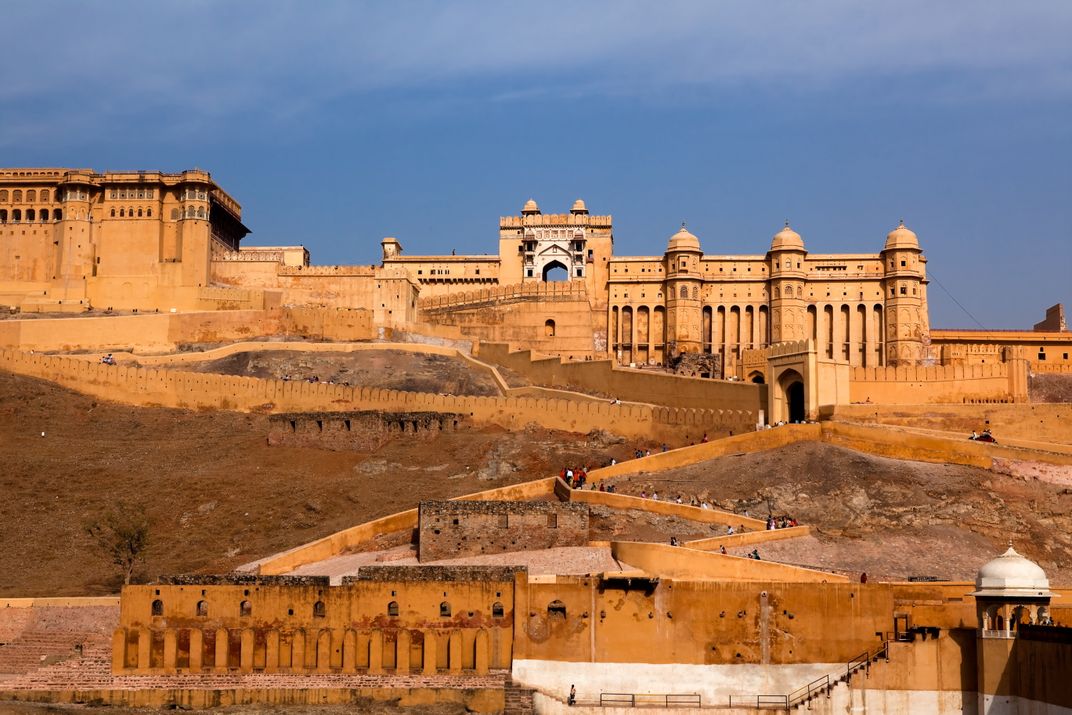
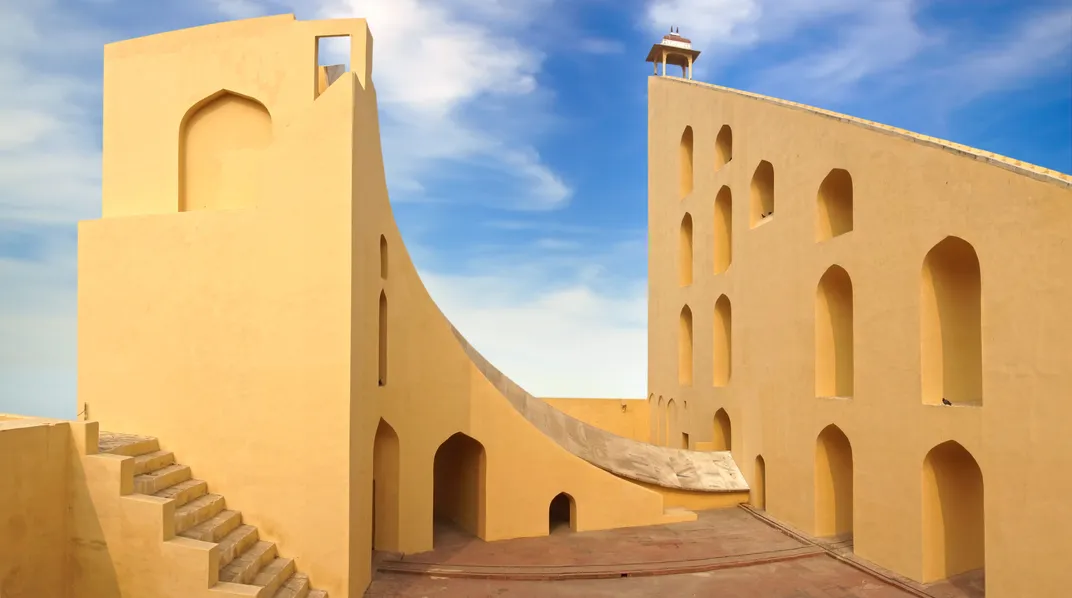
- Jaipur: See the honeycomb sandstone facade of the Hawa Mahal, and examine centuries-old astronomical instruments at the Jantar Mantar, a World Heritage site. Venture to the extraordinary Amber Fort, and dine on traditional dishes in the home of a local family.
- Ranthambore National Park: Observe a host of unusual wildlife from sambar deer to sloth bears during morning and afternoon game drives in this vast nature reserve. Learn about Project Tiger, which has helped increased the tiger population here and elsewhere in India.
- Agra: Admire the architecture of the Abhaneri stepwell on the way to Agra. Then experience the incomparable Taj Mahal on a guided tour, and visit the beautiful palaces and temples of the Agra Fort. Enjoy a cooking lesson in a local home and sample your creations at lunch.
- Varanasi: Soak up the mystical spirit of this ancient pilgrimage site, witnessing a traditional offering ceremony on the Ganges and visiting the ghats by boat. Venture to the holy Buddhist site of Sarnath and listen to the melodies of a classical sitar at a musician’s private home.
- Local Culture: Watch artisans at work in the town of Sanganer, known for its woodblock prints and pottery. Spend a night in the countryside, visiting farming villages on a camel cart excursion, and soaking up local rhythms at a folk performance.
- Pushkar Camel Fair*: The Nov 14, 2026, and Nov 3, 2027, departures includes two nights at the Pushkar Camel Fair, a festive annual event featuring Hindu rituals, lively camel trading, feasts, and traditional sports and entertainment. This special festival departure will be 19 days long, and the two extra nights in Pushkar will occur following the stay in Delhi and before the visit to Jaipur.
We have been on 14 Smithsonian trips in the past ten years because they are enjoyable, educational, and provided us experiences that we would never have on our own. We have never been disappointed in any of our trips. We plan to continue to travel with Smithsonian as long as we can.
— Leisa C.
/https://tf-cmsv2-journeys-media.s3.amazonaws.com/filer/bc/18/bc18e08b-8de8-4361-b086-68e894d9447c/ind_jaipur_palaceofwinds_dt_l_40923583.jpg)
Itinerary
To see itinerary, please click on an option below.
Itinerary
Days 1–2 — Depart U.S. for Delhi, India
Depart on an overnight flight to Delhi, India’s capital and second largest city. Arrive after midnight on Day 2 and transfer directly to your hotel.
Day 3 — Delhi
Enjoy a leisurely morning before meeting your tour director for a briefing on the journey ahead. In the afternoon, venture into the bustling streets of Old Delhi, the capital of Muslim India between the 12th and 19th centuries. Your first stop is Raj Ghat, where a simple black marble slab marks the spot where the “father of India,” Mahatma Gandhi, was cremated. See the Red Fort, a stunning complex of palaces and pavilions built by Mughal Emperor Shah Jahan and today a World Heritage site, and visit the Jama Masjid, India’s largest mosque. End the day with a rickshaw ride through the colorful chaos of Chandni Chowk, a centuries-old market district where spice and silver merchants sell their wares amid historic temples. Tonight, gather for a festive welcome dinner. (B,D)
Day 4 — Delhi
Spend another day discovering the sites of Delhi, a city of some 25 million residents that has been inhabited since the sixty century BC. Admire the elaborate carvings and inlay of the Qutb Minar, a 240-foot sandstone and marble minaret built to commemorate the Muslim victory over the last Hindu kingdom in 1200 AD. Pass India Gate, a majestic arch that honors Indian soldiers who died fighting for the British during World War I and the Afghan wars. Continue to the National Museum in New Delhi to view its extraordinary collection, which ranges from ancient figures to exquisite miniature paintings. After lunch at a local restaurant, visit a Sikh temple (gurdwara), then dig deeper into the life and legacy of Gandhi at the Gandhi Smiriti museum, housed in the building where the political and social activist spent his last days. The remainder of the day is yours to explore as you wish. (B,L)
Day 5 — Jaipur
Journey southwest into Rajasthan on a day-long drive to the enchanting “pink city” of Jaipur, so called for its rose-hued sandstone buildings. Arrive late in the afternoon and enjoy dinner at the hotel. (B,L,D)
Day 6 — Jaipur
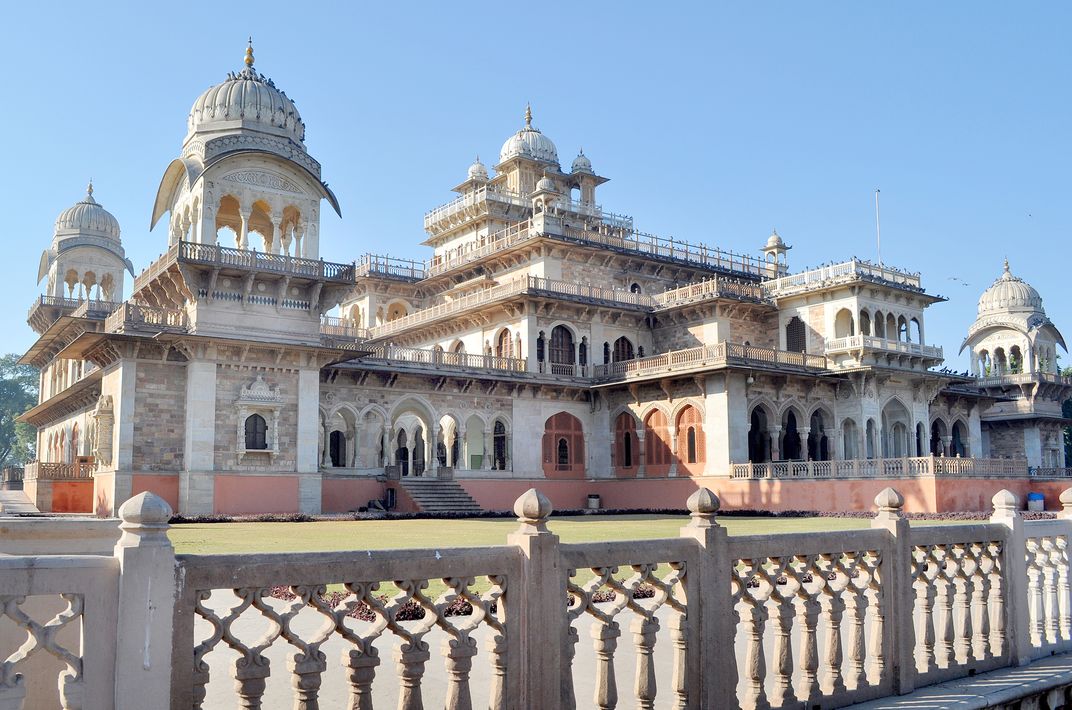
Once a great city of the Rajputs, India’s legendary warriors, Jaipur brims with historic forts, palaces, and gardens, and is still encircled by its 18th-century walls. Delve into the rich heritage of this World Heritage site on a tour that begins at the stunning Hawa Mahal, or "Palace of the Winds", whose carved pink façade allowed the ladies of the court to watch everyday life without being seen. Tour the Amber Fort, the seat of the maharajas for some 700 years and considered the pinnacle of Rajput architecture. Examine astronomical instruments at Jantar Mantar, an observatory dating to 1728, and view royal art collections at the City Palace Museum. (B,L)
Day 7 — Jaipur and Sanganer
Pay a morning visit to Birla Mandir, a Hindu temple built from pure white marble, then tour a local market. Travel to nearby Sanganer to watch villagers engage in traditional crafts such as block printing and making paper by hand. Sanganer is also known for its distinctive blue pottery, and you’ll have an opportunity to watch craftspeople paint intricate patterns freehand. After time at leisure this afternoon, you are invited to dinner at the home of a Rajasthani family. Over a home-cooked meal with several generations of the family, gain a glimpse into everyday customs and witness the interplay of traditional society and contemporary lifestyles. (B,D)
Day 8 — Ranthambore National Park
Travel over rugged roads to Ranthambore National Park, once the hunting grounds of the maharaja of Jaipur. One of India’s largest nature preserves, Ranthambore is home to diverse flora and hundreds of species of birds, reptiles, mammals—including about 80 endangered Bengal tigers. The park’s wildlife roams amid evocative ruins of palaces and temples that date back to the Mughal Empire and earlier. Take an afternoon game drive, watching for sambar deer, leopards, and sloth bears as well as the elusive tiger. Gather for dinner at the lodge. (B,L,D)
Day 9 — Ranthambore National Park
Set out on morning and afternoon wildlife drives, exploring the park’s diverse landscapes on the lookout for unusual deer species, langurs, and rare birds. Learn about Ranthambore’s role in Project Tiger, a conservation initiative launched by Indira Gandhi in 1973 to protect the once plentiful Bengal tigers from poaching, habitat destruction, and conflict with humans. The effort has helped India’s tiger population rebound from an estimated 1,800 in the 1970s to more than 3,100 today. Stop to see picturesque ruins of old fortifications and the thousand-year-old Ranthambore Fort, part of a World Heritage site. On the way back to the lodge, pay a visit to Dhonk, an organization that works with the Mogya people, a traditional hunting community. Discover how families who once relied on poaching tigers now earn their living by producing art and traditional handicrafts. (B,L,D)
Day 10 — Gadoli
Journey north to the village of Gadoli in the Aravalli Mountains for a taste of rural life in Rajasthan. Meet local children at a recently built library and enjoy lunch at your village retreat. Then climb into camel carts for a ride through the agricultural fields to surrounding villages, stopping to get acquainted with the Meena people. Once a nomadic tribe, the Meena are now largely farmers who live in decorated mud huts and retain much of their traditional culture. Back at the retreat tonight, enjoy dinner and a folk dance performance. (B,L,D)
Day 11 — Abhaneri and Agra
Begin the day with a visit to the Chand Baori stepwell in the village of Abhaneri. As early as the sixth century, communities in northern India constructed unique wells that descended to the water table to provide water during the dry summer months. Admire this architectural marvel, which has three sets of 3,500 steps that descend 13 stories into a 100-foot-deep well. Opposite the stepwell, see the ruins of an elaborate temple dedicated to the goddess of joy and happiness. Continue to the Mughal stronghold of Agra, arriving early in the afternoon. After lunch at leisure, gather for a visit to the Itimad-ud-Daulah—often called the Baby Taj— a two-story marble mausoleum that inspired the Taj Mahal. Then view the fabled Taj Mahal from the gardens of Mehtab Bagh, located directly across the Yamuna River from the site. (B,D)
Day 12 — Agra
Experience the magnificent Taj Mahal, a mausoleum of white marble and graceful symmetry that was built by the Emperor Shah Jahan as a tribute to his beloved second wife. Some 20,000 laborers and artisans from around the world spent 22 years constructing this monument to love. As your tour the site, get a closer look at the inlaid gems that form dazzling patterns in the marble—a decorative art known as pietra dura. Next, venture into the imposing Agra Fort, a World Heritage site of fairy-tale palaces, beautiful mosques, pavilions, and gardens, where Emperor Shah Jahan was imprisoned by his own son. Then gather in a local home for a cooking lesson, preparing traditional dishes to savor over lunch. Your evening is at leisure. (B,L)
Day 13 — Agra/Varanasi
Travel by train this morning from Agra to Varanasi, Hinduism’s holiest city and a center of learning, civilization, and religion for thousands of years. With temples at every turn and the sacred Ganges coursing through, Varanasi is a revered pilgrimage site steeped in mysticism. Check in to your centrally located hotel and enjoy dinner with the group tonight. (B,L,D)
Day 14 — Varanasi and Sarnath
Rise early for a yoga session if you wish, taking part in an ancient meditation technique that originated in India some 5,000 years ago. Then head to Sarnath, one of Buddhism’s four holiest sites. View excavated temples and stupas from the 6th-century monastic community that Buddha established after achieving enlightenment, then see remarkable artifacts including the Lion Capital of Emperor Ashoka—India’s national emblem—at the Sarnath Museum. Return to Varanasi and attend a traditional aarti ceremony on the Ganges. As you cruise this sacred waterway, witness devout Hindus setting lanterns afloat as an offering to the deities. (B,D)
Day 15 — Varanasi
Early this morning, return to the banks of the Ganges, where Hindu pilgrims perform their time-honored rites along the ghats (wide steps) leading to the river. Learn about the integral role of the river in Hindu belief and soak up the mystique of this hallowed water as you explore important ghats by boat. Then immerse yourself in the morning rituals of Varanasi, strolling down ancient alleyways past shopkeepers, cows, and local residents preparing for the day. Return to the hotel for breakfast and enjoy free time to relax or discover more of the city. Later, gather at the home of a famous musician for a private classical sitar performance. As the home is also a music school, listen for students practicing. This evening, celebrate your adventures in India at a farewell dinner. (B,D)
Days 16-17 —Delhi/Return home
Fly to Delhi and transfer to your hotel near the airport. The remainder of the day is at leisure. Depart on your flight home early the next day. (B)
Included meals are denoted as follows: Breakfast (B), Lunch (L), Reception (R), Dinner (D)
/https://tf-cmsv2-journeys-media.s3.amazonaws.com/filer_public/04/69/0469479d-115d-42e5-b735-d282fa04307a/ind_agra_tajmahal_morninglight_ist_124688183.jpg)
/https://tf-cmsv2-journeys-media.s3.amazonaws.com/filer_public/04/69/0469479d-115d-42e5-b735-d282fa04307a/ind_agra_tajmahal_morninglight_ist_124688183.jpg)
/https://tf-cmsv2-journeys-media.s3.amazonaws.com/filer/bc/18/bc18e08b-8de8-4361-b086-68e894d9447c/ind_jaipur_palaceofwinds_dt_l_40923583.jpg)
/https://tf-cmsv2-journeys-media.s3.amazonaws.com/filer_public/4c/99/4c99c034-d63e-4bc0-a9fb-e5f51da4f11c/ind_jaipur_indianstepwell_ist_1201530843.jpg)
/https://tf-cmsv2-journeys-media.s3.amazonaws.com/filer_public/ed/c8/edc8db70-3572-44c6-b4a7-817b9384a570/ind_ranthambore_tiger_dt_m_25702847.jpg)
/https://tf-cmsv2-journeys-media.s3.amazonaws.com/filer/9c/2c/9c2cebce-70c1-4085-95d4-f8e23f7a8b55/ind_agra_tajmriver_is_000012961233x_fromted12.jpg)
/https://tf-cmsv2-journeys-media.s3.amazonaws.com/filer_public/31/57/3157155e-4897-4d66-a8fb-48a6d1b718e3/ind_agra_redfort_ist_498236779.jpg)
/https://tf-cmsv2-journeys-media.s3.amazonaws.com/filer_public/3d/77/3d777773-304a-41db-bff5-a8f5beb159ce/ind_agra_redfort_ist_1169495903.jpg)
/https://tf-cmsv2-journeys-media.s3.amazonaws.com/filer_public/86/b0/86b0ac2d-af89-49f3-ab27-f1d84eba7474/ind_agra_redfort_ist_1169495248.jpg)
/https://tf-cmsv2-journeys-media.s3.amazonaws.com/filer_public/c1/33/c133276c-09b8-4761-9b7f-422a474def75/ind_delhi_redfort_ist_545114502.jpg)
/https://tf-cmsv2-journeys-media.s3.amazonaws.com/filer_public/fb/71/fb7147f2-355d-4ed0-9486-484c5cfa72ac/ind_delhi_qutubminar_ist_165204592.jpg)
/https://tf-cmsv2-journeys-media.s3.amazonaws.com/filer_public/26/f8/26f8d01a-26c9-46b0-99df-fe6b49bd0a2e/ind_delhi_jamamasjidmosque_ist_505757382.jpg)
/https://tf-cmsv2-journeys-media.s3.amazonaws.com/filer_public/43/1c/431c6b6c-586f-4bd6-bb1d-a62567d6d0c5/ind_jaipur_amberfort_ist_825020012.jpg)
/https://tf-cmsv2-journeys-media.s3.amazonaws.com/filer/27/9b/279b0b99-400e-4dbb-9fec-79b8e52950f0/ind_jaipur_amberpalace_dtl_12793328.jpg)
/https://tf-cmsv2-journeys-media.s3.amazonaws.com/filer/47/c0/47c03c0c-7106-4977-9fb5-8e35c82a5f9f/ind_lordkrishna_smpc.jpg)
/https://tf-cmsv2-journeys-media.s3.amazonaws.com/filer_public/da/3e/da3e1074-6883-486c-9d6d-29267be66a7e/ind_ranthambhore_ruins_ist_503192314.jpg)
/https://tf-cmsv2-journeys-media.s3.amazonaws.com/filer_public/a4/19/a419e351-a5ff-4055-a88a-4c2dfda92452/ind_ranthambhore_monkeys_ist_1386636234.jpg)
/https://tf-cmsv2-journeys-media.s3.amazonaws.com/filer/62/0a/620a234f-3561-463f-b475-c8ad5d8dda5f/ind_varanasi_hindu_rf_ist_000012747908large_forweb.jpg)
/https://tf-cmsv2-journeys-media.s3.amazonaws.com/filer_public/e7/7c/e77c93c2-f664-40dc-bb37-ef6c3d6fa95d/ind_varanasi_ghats_ist_1164063065.jpg)
/https://tf-cmsv2-journeys-media.s3.amazonaws.com/filer_public/9a/95/9a958ff7-b978-4791-8b8a-d73538b4aa86/ind_varanasi_ceremony_ist_1654695052.jpg)
/https://tf-cmsv2-journeys-media.s3.amazonaws.com/filer/30/af/30afb3cd-5423-499e-bf6f-d49ac1807a87/people_ind_fatherson_sjlc_08.jpg)
/https://tf-cmsv2-journeys-media.s3.amazonaws.com/filer_public/a8/f8/a8f8da83-ed79-4e35-aa00-b0f8942f57af/ind_blockprintingdemo_ist_1215823411.jpg)
/https://tf-cmsv2-journeys-media.s3.amazonaws.com/filer/61/77/61776a03-fabe-4f14-8cf9-21ac5102b75b/ind_market_08.jpg)
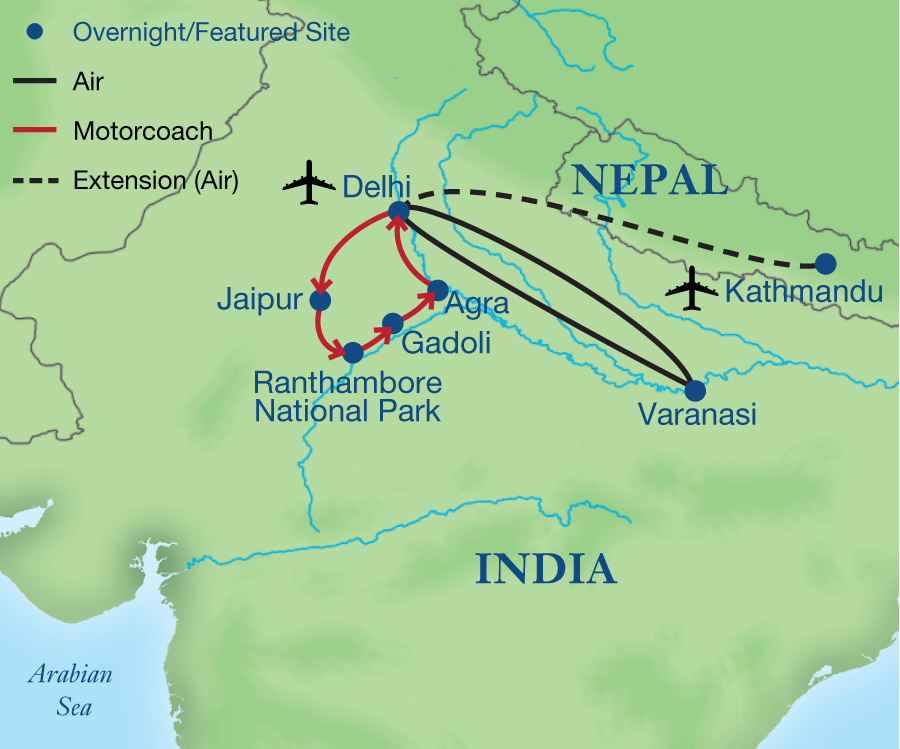
Nov. 14 - Dec. 2, 2026 and Nov 3 - 21, 2027: Itinerary including the Pushkar Camel Fair
Days 1–2 — Depart U.S. for Delhi, India
Depart on an overnight flight to Delhi, India’s capital and second largest city. Arrive after midnight on Day 2 and transfer directly to your hotel.
Day 3 — Delhi
Enjoy a leisurely morning before meeting your tour director for a briefing on the journey ahead. In the afternoon, venture into the bustling streets of Old Delhi, the capital of Muslim India between the 12th and 19th centuries. Your first stop is Raj Ghat, where a simple black marble slab marks the spot where the “father of India,” Mahatma Gandhi, was cremated. See the Red Fort, a stunning complex of palaces and pavilions built by Mughal Emperor Shah Jahan and today a World Heritage site, and visit the Jama Masjid, India’s largest mosque. End the day with a rickshaw ride through the colorful chaos of Chandni Chowk, a centuries-old market district where spice and silver merchants sell their wares amid historic temples. Tonight, gather for a festive welcome dinner. (B,D)
Day 4 — Delhi
Spend another day discovering the sites of Delhi, a city of some 25 million residents that has been inhabited since the sixty century BC. Admire the elaborate carvings and inlay of the Qutb Minar, a 240-foot sandstone and marble minaret built to commemorate the Muslim victory over the last Hindu kingdom in 1200 AD. Pass India Gate, a majestic arch that honors Indian soldiers who died fighting for the British during World War I and the Afghan wars. Continue to the National Museum in New Delhi to view its extraordinary collection, which ranges from ancient figures to exquisite miniature paintings. After lunch at a local restaurant, visit a Sikh temple (gurdwara), then dig deeper into the life and legacy of Gandhi at the Gandhi Smiriti museum, housed in the building where the political and social activist spent his last days. The remainder of the day is yours to explore as you wish. (B,L)
Day 5 — Ajmer and Pushkar
Depart Delhi very early, traveling into Rajasthan by express train on a half-day journey to Ajmer. Settle into your deluxe resort, nestled amid the hills of the Aravalli Range near Pushkar. In the late afternoon, gather for a camel cart ride and an orientation tour of the Pushkar Camel Fair. During this lively, multi-day annual event—part bazaar and trade fair, part religious pilgrimage—Indians of many different backgrounds come from near and far, dressed in vibrant traditional attire. Return to your resort for dinner together tonight. (B,L,D)
Day 6 — Pushkar Camel Fair
Start your day with a morning tour of Pushkar village, where thousands of Hindu devotees descend to the bathing ghats around Pushkar Lake to purify themselves in the sacred waters. After lunch at your resort, you’ll have a free afternoon to explore the Pushkar Camel Fair independently. Amid the festival’s colorful chaos, you might witness a camel race or camel beauty contest, folk musicians and mustache competitions, snake charmers and fire dancers. Relax over dinner at the resort this evening. (B,L,D)
Day 7 — Jaipur
Journey to the enchanting “pink city” of Jaipur, so called for its rose-hued sandstone buildings. Arrive in the late afternoon and check in to your hotel. (B,L,D)
Day 8 — Jaipur
Once a great city of the Rajputs, India’s legendary warriors, Jaipur brims with historic forts, palaces, and gardens, and is still encircled by its 18th-century walls. Delve into the rich heritage of this World Heritage site on a tour that begins at the stunning Hawa Mahal, or "Palace of the Winds", whose carved pink façade allowed the ladies of the court to watch everyday life without being seen. Tour the Amber Fort, the seat of the maharajas for some 700 years and considered the pinnacle of Rajput architecture. Examine astronomical instruments at Jantar Mantar, an observatory dating to 1728, and view royal art collections at the City Palace Museum. (B,L)
Day 9 — Jaipur and Sanganer
Pay a morning visit to Birla Mandir, a Hindu temple built from pure white marble, then tour a local market. Travel to nearby Sanganer to watch villagers engage in traditional crafts such as block printing and making paper by hand. Sanganer is also known for its distinctive blue pottery, and you’ll have an opportunity to watch craftspeople paint intricate patterns freehand. After time at leisure this afternoon, you are invited to dinner at the home of a Rajasthani family. Over a home-cooked meal with several generations of the family, gain a glimpse into everyday customs and witness the interplay of traditional society and contemporary lifestyles. (B,D)
Day 10 — Ranthambore National Park
Travel over rugged roads to Ranthambore National Park, once the hunting grounds of the maharaja of Jaipur. One of India’s largest nature preserves, Ranthambore is home to diverse flora and hundreds of species of birds, reptiles, mammals—including about 80 endangered Bengal tigers. The park’s wildlife roams amid evocative ruins of palaces and temples that date back to the Mughal Empire and earlier. Take an afternoon game drive, watching for sambar deer, leopards, and sloth bears as well as the elusive tiger. Gather for dinner at the lodge. (B,L,D)
Day 11 — Ranthambore National Park
Set out on morning and afternoon wildlife drives, exploring the park’s diverse landscapes on the lookout for unusual deer species, langurs, and rare birds. Learn about Ranthambore’s role in Project Tiger, a conservation initiative launched by Indira Gandhi in 1973 to protect the once plentiful Bengal tigers from poaching, habitat destruction, and conflict with humans. The effort has helped India’s tiger population rebound from an estimated 1,800 in the 1970s to more than 3,100 today. Stop to see picturesque ruins of old fortifications and the thousand-year-old Ranthambore Fort, part of a World Heritage site. On the way back to the lodge, pay a visit to Dhonk, an organization that works with the Mogya people, a traditional hunting community. Discover how families who once relied on poaching tigers now earn their living by producing art and traditional handicrafts. (B,L,D)
Day 12 — Gadoli
Journey north to the village of Gadoli in the Aravalli Mountains for a taste of rural life in Rajasthan. Meet local children at a recently built library and enjoy lunch at your village retreat. Then climb into camel carts for a ride through the agricultural fields to surrounding villages, stopping to get acquainted with the Meena people. Once a nomadic tribe, the Meena are now largely farmers who live in decorated mud huts and retain much of their traditional culture. Back at the retreat tonight, enjoy dinner and a folk dance performance. (B,L,D)
Day 13 — Abhaneri and Agra
Begin the day with a visit to the Chand Baori stepwell in the village of Abhaneri. As early as the 6th century, communities in northern India constructed unique wells that descended to the water table to provide water during the dry summer months. Admire this architectural marvel, which has three sets of 3,500 steps that descend 13 stories into a 100-foot-deep well. Opposite the stepwell, see the ruins of an elaborate temple dedicated to the goddess of joy and happiness. Continue to the Mughal stronghold of Agra, arriving early in the afternoon. After lunch at leisure, gather for a visit to the Itimad-ud-Daulah—often called the Baby Taj— a two-story marble mausoleum that inspired the Taj Mahal. Then view the fabled Taj Mahal from the gardens of Mehtab Bagh, located directly across the Yamuna River from the site. (B,D)
Day 14 — Agra
Experience the magnificent Taj Mahal, a mausoleum of white marble and graceful symmetry that was built by the Emperor Shah Jahan as a tribute to his beloved second wife. Some 20,000 laborers and artisans from around the world spent 22 years constructing this monument to love. As your tour the site, get a closer look at the inlaid gems that form dazzling patterns in the marble—a decorative art known as pietra dura. Next, venture into the imposing Agra Fort, a World Heritage site of fairy-tale palaces, beautiful mosques, pavilions, and gardens, where Emperor Shah Jahan was imprisoned by his own son. Then gather in a local home for a cooking lesson, preparing traditional dishes to savor over lunch. The remainder of the day is at leisure. (B,L)
Day 15 — Agra/Varanasi
Travel by train this morning to Varanasi, Hinduism’s holiest city and a center of learning, civilization, and religion for thousands of years. With temples at every turn and the sacred Ganges coursing through, Varanasi is a revered pilgrimage site steeped in mysticism. Check in to your centrally located hotel and enjoy dinner with the group tonight. (B,L,D)
Day 16 — Varanasi and Sarnath
Rise early for a yoga session if you wish, taking part in an ancient meditation technique that originated in India some 5,000 years ago. Then head to Sarnath, one of Buddhism’s four holiest sites. View excavated temples and stupas from the 6th-century monastic community that Buddha established after achieving enlightenment, then see remarkable artifacts including the Lion Capital of Emperor Ashoka—India’s national emblem—at the Sarnath Museum. Return to Varanasi and attend a traditional aarti ceremony on the Ganges. As you cruise this sacred waterway, witness devout Hindus setting lanterns afloat as an offering to the deities. (B,D)
Day 17 — Varanasi
Early this morning, return to the banks of the Ganges, where Hindu pilgrims perform their time-honored rites along the ghats (wide steps) leading to the river. Learn about the integral role of the river in Hindu belief and soak up the mystique of this hallowed water as you explore important ghats by boat. Then immerse yourself in the morning rituals of Varanasi, strolling down ancient alleyways past shopkeepers, cows, and local residents preparing for the day. Return to the hotel for breakfast and enjoy free time to relax or discover more of the city. Later, gather at the home of a famous musician for a private classical sitar performance. As the home is also a music school, listen for students practicing. This evening, celebrate your adventures in India at a farewell dinner. (B,D)
Days 18-20 — Delhi/Return home
Fly to Delhi and transfer to your hotel near the airport. The remainder of the day is at leisure. Depart on your flight home early the next day. (B)
Included meals are denoted as follows: Breakfast (B), Lunch (L), Reception (R), Dinner (D)
Optional Extension
Post-Tour Ext.: Nepal
Nepal - 6 days, 4 nights
Absorb the beauty of the Himalayan kingdom – and the warmth of its people – on this special journey featuring sacred shrines, royal cities, and indigenous lifestyles.
This extension includes:
- Round trip air transportation Delhi/Kathmandu
- 4 nights accommodations: 2 nights in Nagarkot at Club Himalaya Nagarkot (Superior First Class); 2 nights in Kathmandu at The Soaltee Kathmandu (Superior First Class); day room in Delhi
- 8 meals: 4 breakfasts, 1 lunch, 3 dinners
- Extensive sightseeing including Pashupatinath and Boudhanath temples, Swayambhunath temple; and the World Heritage sites of colorful Bhaktapur, royal Patan, and Kathmandu
- Services of a professional representative
- Private motorcoach transportation
- Gratuities for tour representative, dining room servers, airport and hotel porters, and all drivers
Dates & Prices
Click on the departure date to see pricing. Click the for more information.
Dates
Availability
Price
Nov 14 - Dec 2, 2026
Available
from $8,887
Special Value
This departure includes two nights at the Pushkar Camel Fair, a festive annual event featuring Hindu rituals, lively camel trading, feasts, and traditional sports and entertainment. This special festival departure will be 19 days long, and the two extra nights in Pushkar will occur following the stay in Delhi and before the visit to Jaipur.
Airfare Included! This tour is specially designed for a small group of 16 to 24 Smithsonian travelers and offers outstanding travel value. Along with airfare, prices also include airline taxes and departure fees, as well as transportation, accommodations, daily activities and excursions, and most meals.
Tour cost including airfare: Boston, New York
| Occupancy | Double | Single |
|---|---|---|
| Price | $8,887 | $10,882 |
| Post Ext. | $1,895 | $2,320 |
Tour cost including airfare: Chicago, Washington, DC
| Occupancy | Double | Single |
|---|---|---|
| Price | $9,187 | $11,182 |
| Post Ext. | $1,895 | $2,320 |
Tour cost including airfare: Atlanta, Baltimore, Charlotte, Cincinnati, Cleveland, Dallas, Denver, Detroit, Houston, Philadelphia
| Occupancy | Double | Single |
|---|---|---|
| Price | $9,287 | $11,282 |
| Post Ext. | $1,895 | $2,320 |
Tour cost including airfare: Los Angeles, Miami, Minneapolis, Orlando, Phoenix, Portland (OR), San Francisco, Seattle, Tampa
| Occupancy | Double | Single |
|---|---|---|
| Price | $9,387 | $11,382 |
| Post Ext. | $1,895 | $2,320 |
Land only (tour cost not including airfare)
| Occupancy | Double | Single |
|---|---|---|
| Price | $7,195 | $9,190 |
| Post Ext. | $1,895 | $2,320 |
Please call if your city is not listed in the price chart above or if you wish to customize your arrival and departure dates. Customization may come at an additional cost. Air-inclusive prices include airline taxes, fuel surcharges, and departure fees of $892 (2026) or $1,292 (2027), which are subject to change until final payment is made. Business class upgrade on round-trip flight: $6,495 per person (subject to change). Premium economy upgrade on round-trip flight: $3,395 per person (subject to change). Prices are per person based on double occupancy and all upgrades are subject to availability. Limited to 24 Smithsonian Journeys guests.
Prices are based on rates of exchange, airfare & fuel (where applicable), tariffs, taxes, and other costs as of the tour publication date. We reserve the right to correct errors and to increase program prices to cover increased costs, tariffs, and taxes received after prices are published and to reflect currency fluctuations.
/https://tf-cmsv2-journeys-media.s3.amazonaws.com/filer_public/4c/99/4c99c034-d63e-4bc0-a9fb-e5f51da4f11c/ind_jaipur_indianstepwell_ist_1201530843.jpg)
Experts
/https://tf-cmsv2-journeys-media.s3.amazonaws.com/journeys/expert/Majumdar-Minhazz.jpg)
Minhazz Majumdar
Cultural Heritage Specialist & Curator
Minhazz Majumdar is a curator, writer, designer and educator who has been deeply involved in preserving and promoting Indian cultural traditions for three decades. As a curator, …
Minhazz Majumdar is a curator, writer, designer and educator who has been deeply involved in preserving and promoting Indian cultural traditions for three decades. As a curator, Majumdar has worked on major shows on India in the United Kingdom, the United States of America and Australia and has built collections of Indian arts and crafts for museums across the world including QAGOMA, (Brisbane), National Gallery of Victoria, (Melbourne) Museum of Archaeology and Anthropology, (Cambridge), National Museums Liverpool and Glasgow Museums. She is recognised internationally as an authority on the folk, tribal and outsider art scene in India. Majumdar has also written extensively on Indian art and culture for publications across the world. She is the editor and author of Bhumijan: Artist of the Earth and has contributed to Roots: Art from the Tribal Heartland of India. She has worked closely with the Indian government, United Nations Development Programme, United Nations Volunteers and global nonprofits on social development projects for marginalised communities and on environmental issues such as phasing out CFCs in India, sustainable irrigation technologies, and renewable energy. She serves as a visiting faculty for several institutions such as the National Institute of Design, Ahmedabad and the National Institute of Fashion Technology, New Delhi.
Majumdar is featured in Dr. Stephen Huyler’s Daughters of India as one of 20 Indian women profiled in the book. She holds a Master’s degree in English Literature from Jawaharlal Nehru University, Delhi. Her multifaceted career has taken her all over India and the globe and she loves exploring new cultures and meeting people. In her spare time, she is an avid organic farmer and enjoys experimenting with world cuisines using fresh produce she grows on her farm in the foothills of the Himalayas.
+ Show more
/https://tf-cmsv2-journeys-media.s3.amazonaws.com/journeys/expert/Sodha-Rita.jpg)
Rita Sodha
Art Historian
Rita Sodha is a lecturer in the Department of Art History at the University of Baroda's Faculty of Fine Arts. With a Ph.D. in art …
Rita Sodha is a lecturer in the Department of Art History at the University of Baroda's Faculty of Fine Arts. With a Ph.D. in art history, Rita is an expert on Indian painting and has published several articles on contemporary art in India. With a degree in painting, Rita has conducted workshops on the technique of enameling, tie and dye, patchwork, and quilting, and she designs soft furnishings for customized interiors. She also studied the sitar at the University of Baroda Faculty of Performing Arts. Rita looks forward to sharing her love of Indian art, music, history, and culture with Smithsonian travelers.
+ Show more
/https://tf-cmsv2-journeys-media.s3.amazonaws.com/filer_public/ed/c8/edc8db70-3572-44c6-b4a7-817b9384a570/ind_ranthambore_tiger_dt_m_25702847.jpg)
Tour Details
Accommodations
ITC Maurya
New Delhi, India
A frequent home away from home for diplomats, royalty, and world leaders, including many recent U.S. Presidents, New Delhi's ITC Maurya offers a world-class stay just a short distance from the center of New Delhi. The hotel's standout dining scene features the iconic Bukhara restaurant (rated by Restaurant magazine as one of the world's 50 best restaurants), along with multiple options ranging from casual bites to fine dining experiences. Other amenities include an outdoor swimming pool, fitness center, full-service spa with a range of treatments (for a fee), laundry and dry-cleaning service (for a fee), and complimentary Wi-Fi internet access. Tastefully appointed, air-conditioned guest rooms feature a private bath, hair dryer, minibar, tea- and coffee-making facilities, in-room safe, TV, and phone.
Taj Amer, Jaipur
Jaipur, India
Opened in December 2022, this intricately designed hotel reflects the vibrant culture and rich history of Jaipur. The Taj Amer, Jaipur features two restaurants, two bars (including an infinity pool bar), lobby lounge, coffee shop, fitness center, spa and facial treatments (for a fee), and laundry services (for a fee). Each air-conditioned guest room includes a private bath, hair dryer, walk-in wardrobe, Wi-Fi internet access, and coffee/tea making facilities.
Pratap Mahal, Ajmer – IHCL SeleQtions (Nov. 14 departure)
Ajmer, Rajasthan, India
Situated in a green oasis among the Aravalli hills, Pratap Mahal, Ajmer – IHCL SeleQtions is just a short drive from the Pushkar Camel Fair. Rich historical and cultural décor combine with Mughal-style architectural elements to create a palace-like setting. The hotel features a restaurant, bar, outdoor swimming pool, fitness center, steam bath and sauna, spa with massage services (for a fee), cricket, football, badminton, laundry service (for a fee), and complimentary Wi-Fi internet access. Each tastefully decorated, air-conditioned guest room includes a private balcony with views of the Aravali hills, private bath, minifridge, tea- and coffee-making facilities, in-room safe, TV, and phone.
Aamaghati Wildlife Resort
Rajasthan, India
Located in Ranthambore National Park, Aamaghati Wildlife Resort, Ranthambore is India’s first jungle themed resort and the perfect place to enjoy a luxury safari experience. The hotel features a restaurant, bar, coffee shop, outdoor pool, outdoor fireplace, yoga room, badminton, spa, steam room, laundry services (for a fee) and complimentary WiFi. Each air-conditioned guest room is equipped with a private bath, hair dryer, TV, phone, minibar, and in-room coffee/tea facilities.
Dera Village – The Clement Retreats
Rajasthan, India
Off the beaten track in rural Rajasthan sits Dera Village, a rustic yet comfortable haven of guest cabins set amid traditional villages. The camp offers a unique opportunity to witness rural life in India. Along with a restaurant, gardens and bonfires add to the retreat’s ambiance. The 17 air-conditioned guest cabins have private bath with hot and cold running water and hair dryer. This remote location has no telephone service.
Tajview, Agra – IHCL SeleQtions
Agra, India
The Tajview, Agra sits amidst six acres of meticulously manicured gardens close to the Taj Mahal and other local sites. This hotel boasts several restaurants/bars, as well as a fitness center, full-service spa, outdoor swimming pool, laundry and dry-cleaning services (for a fee), and complimentary Wi-Fi internet access. All air-conditioned guest rooms have private bath with hair dryer, in-room safe, minibar, TV, and phone.
Taj Ganges, Varanasi
Varanasi, India
Situated on 40 acres of landscaped parklands in Varanasi, the Taj Ganges offers a host of amenities including a restaurant, coffee shop, and bar; shopping arcade; complimentary Wi-Fi internet access; laundry and dry-cleaning services (for a fee); astrologer; fitness center; outdoor pool; badminton; tennis court; yoga; beauty salon; and spa services. Guestrooms are modern and bright, with upscale amenities and views over the gardens or the city.
Hotel Pullman New Delhi Aerocity
New Delhi, India
The Pullman New Delhi Aerocity is conveniently located near the airport and the local business district. Hotel amenities include two restaurants, bar, and café; complimentary Wi-Fi internet access; laundry and dry-cleaning services (for a fee); fitness center with spa; and outdoor swimming pool. The 270 stylish guestrooms feature 5-star amenities.
Activity Description
Expectations: This Land Journey features long touring days, many full-day excursions, and a full and active itinerary that is well-paced and covered a lot of distance. This is a comprehensive tour that includes a variety of regions and landscapes in India. There are several long travel days, including a half-day drive from Delhi to Jaipur and a full-day journey from Agra to Varanasi. Some days may have activities with higher intensity and more active choices/options. Excursions require standing and walking for extended periods of time, sometimes over difficult terrain (cobblestones, unpaved roads, ancient sites, city hills, stairs without handrails, limited or no access to elevators, muddy or slippery walking trails with steep ascents/descents), and walking to city centers where coaches are prohibited. Some days may require early morning departures and later evening returns. There is leisure time on several afternoons and evenings throughout the trip.
Appropriate for: Travelers who are physically fit, lead active lives, are comfortable participating in long days of activities, and expect some physical exertion.
Reading List
*As an Amazon Associate, Smithsonian Journeys earns from qualifying purchases.
Highly Recommended
Also Recommended
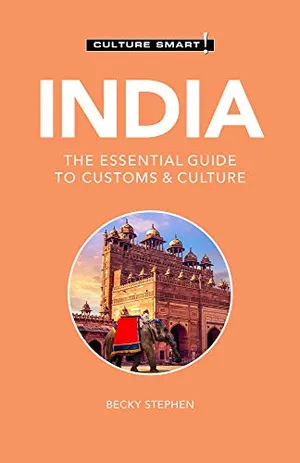
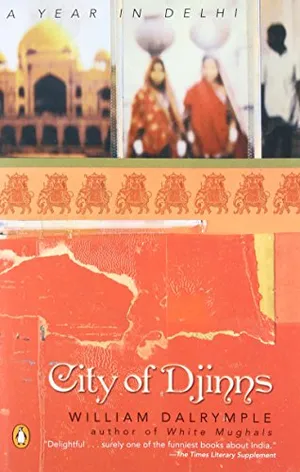
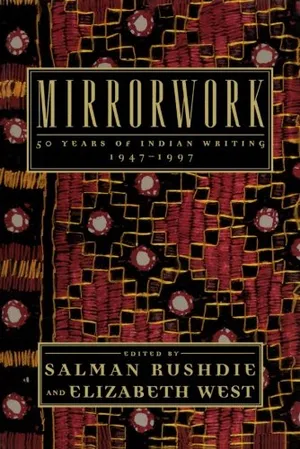
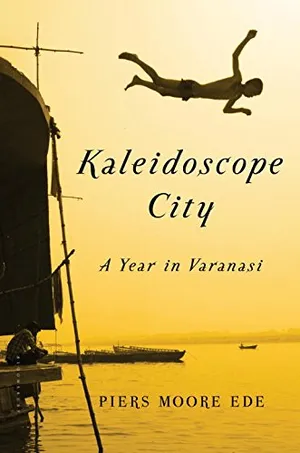


Additional Recommended Reading for Nepal Extension

Special Air Rates/Services
The Flexible Travel Option program allows air-inclusive guests to customize their travel experience in several ways.
Please contact us if you want to customize your arrival and departure dates.*
Air-inclusive guests are free to take advantage of any or all these benefits:
- Arrive at your destination up to three days before the tour’s scheduled start date
- Extend your travel beyond the tour’s end date
- Reserve transfers from the arrival airport to the tour’s first hotel, or from the tour’s final hotel to the departure airport, to coincide with your alternate travel dates (at an additional cost)
- Reserve extra nights at the first and/or final hotel on your tour to coincide with your alternate travel dates (at an additional cost)
*A one-time fee of $50 per person will be added to your reservation if you opt to use the Flexible Travel Option program.
Testimonials
What our travelers are saying...
— Leisa C.We have been on 14 Smithsonian trips in the past ten years because they are enjoyable, educational, and provided us experiences that we would never have on our own. We have never been disappointed in any of our trips. We plan to continue to travel with Smithsonian as long as we can.
Travel Insurance
For the convenience of our travelers, Smithsonian Journeys includes a basic medical expense and evacuation plan through Trip Mate, a Generali Global Assistance & Insurance Services brand, at no additional charge. This plan provides post-departure Medical and Dental coverage of $250,000 per person and Emergency Assistance and Transportation coverage of $1,000,000 per person (U.S. Residents Only). Note: For full details regarding these coverages please review the following Plan Documents here.
In addition, we recommend that travelers purchase a travel protection plan to help protect their travel investment from unforeseen events such as cancellation due to illness, flight delays due to adverse weather, baggage loss, and more. For your convenience, Smithsonian Journeys offers an optional Travel Protection Plan administered by Trip Mate, a Generali Global Assistance & Insurance Services brand. For those interested, optional "Cancel for Any Reason" coverage is available for an additional charge. Note: Certain eligibility requirements apply and Cancel for Any Reason coverage is not available to New York residents. For full details regarding this coverage please review the following Plan Documents here.
To learn more about the Travel Protection Plan, you may visit https://www.generalipartner.com/smithsonianjourneys or call the administrator, Trip Mate, a Generali Global Assistance & Insurance Services brand at (866) 501-3252.
Related Tours
/https://tf-cmsv2-journeys-media.s3.amazonaws.com/filer/9c/2c/9c2cebce-70c1-4085-95d4-f8e23f7a8b55/ind_agra_tajmriver_is_000012961233x_fromted12.jpg)

Vietnam, Laos, and Cambodia: A Tailor-Made Journey to Southeast Asia
14 days
|
from:
$6,425
Suggested Itinerary
/https://tf-cmsv2-journeys-media.s3.amazonaws.com/filer/6d/fd/6dfded36-2bc4-4713-82d0-dc8b369e73f0/vtn_floatingmarket_dtl_4062551.jpg)
/https://tf-cmsv2-journeys-media.s3.amazonaws.com/filer/58/6b/586bc79e-39e2-4e79-8b62-00b373495c04/uzb_samarkand_registan_panorama_dt_l_141082514.jpg)
The Silk Road: A Journey to Central Asia
17 days
|
from:
$9,495
Multiple departures between 2026 & 2027
/https://tf-cmsv2-journeys-media.s3.amazonaws.com/filer_public/b3/6b/b36b4098-02c0-42da-81ec-56abee12ece2/saf_capetown_panorama_ss_513521746.jpg)
South Africa and Namibia by Sea: Around the Cape of Good Hope
11 days
|
from:
$11,440
$8,180
Feb 21 - Mar 3, 2027
Mar 2 - 12, 2028