

Smithsonian Seminar at Oxford: Two Weeks of In-Depth Study at Merton College
15 days from $9,995
Embrace the joy of learning at one of the oldest and most acclaimed universities in the world during an enriching two-week seminar at Oxford University. Choose a course that interests you and immerse yourself in campus life, staying in student accommodations at historic Merton College and filling your days with lectures and tutorials led by an Oxford tutor, study sessions, memorable meals, field trips, evening gatherings—and enough free time to pursue your own interests.


Highlights
- Course of Study: Spend two weeks exploring a compelling subject in depth through a variety of classes and activities. Attend morning lectures by an Oxford University expert, known as a “tutor,” and participate in tutorials—engaging discussions with faculty members and fellow students that are the hallmark of an Oxford education. Throughout your seminar, pursue independent study on a topic of your choosing, enjoying access to the college’s historic libraries. If you wish, prepare a short paper to present at the end of the fortnight. Find course descriptions under the Tour Details tab and a full listing of tutors under the Enrichment tab.
- Field Trips: Embark on a field trip tailored to your specific course during your first week, traveling with your classmates and your tutor. During the second week, gather with all Smithsonian Journeys students for a day trip to a historic site or town. Field trip descriptions can be found with the course descriptions under the Tour Details tab.
- Enriching Activities: Gain insight into more than 900 years of history on a variety of walking tours of Oxford University. Learn about the celebrated architecture of the campus, and hear tales of visionaries, philanthropists, and educators who shaped the school on tours of Merton College; the Bodleian Library; and Pembroke College, where James Smithson, the founder of the Smithsonian Institution, was a student. Gather for evening talks by other distinguished tutors and scholars at Oxford—exclusive to Smithsonian Journeys students—and attend the renowned Evensong recital at Christ Church College.
- Daily Life: Settle into your simply furnished accommodation at Merton College, which has been welcoming students since 1264, and immerse yourself in life as an Oxford student. Linger in Merton’s common areas and gardens, and enjoy access to one of the world’s oldest continuously operating libraries, where Nobel laureates and luminaries such as T.S. Eliot and J.R.R. Tolkien once studied. Take your meals in the stately dining hall and sit down to a dinner at the High Table, a prestigious Oxford tradition. Participate in a lively quiz night at the Merton pub and gather for a barbecue and croquet in the quad. During free time, join an excursion to the Ashmolean Museum or London’s National Gallery (at additional cost), go punting on the River Cherwell, or spend a weekend discovering another part of Great Britain--perhaps Edinburgh or Cornwall.
- If you are interested in a shorter experience at Oxford, please see our one-week Smithsonian at Oxford program.
/https://tf-cmsv2-journeys-media.s3.amazonaws.com/filer/ee/82/ee82e464-4d59-4db0-8eb2-022a75444714/eng_oxford_merton_dining_high_table_wadejennings_4.jpg)
Itinerary
To see itinerary, please click on an option below.
Course titles and descriptions can be found in the Tour Details section. Please indicate your preferred course as well as your second choice at the time of booking. Final assignments will be determined based on traveler interest. Enrollment is limited.
Days 1–2 — Depart the U.S for London, England
Depart the U.S. for London on individual flights, and meet the group for the transfer to Oxford. Settle into your simple, en suite student accommodation at Merton College, the university’s first self-governing college, established in 1264. This evening, gather for a welcome dinner and plenary talk. (R,D)
/https://tf-cmsv2-journeys-media.s3.amazonaws.com/filer/2e/95/2e957e21-61e4-46a5-8bf2-53f014aecd12/oxford_dorm_2moderndormroom_2.jpg)
/https://tf-cmsv2-journeys-media.s3.amazonaws.com/filer/74/75/74758fce-5277-410f-ba99-e9605f77794f/oxford_dorm_1modernstudyarea.jpg)
/https://tf-cmsv2-journeys-media.s3.amazonaws.com/filer/ee/0a/ee0a7e97-0736-4a2e-a904-2343cf863586/oxford_dorm_3modernbath.jpg)
/https://tf-cmsv2-journeys-media.s3.amazonaws.com/filer/0a/9f/0a9fd31a-a45a-49ca-83a4-1de59ca6f166/oxford_dorm_4view.jpg)
Day 3 — Oxford
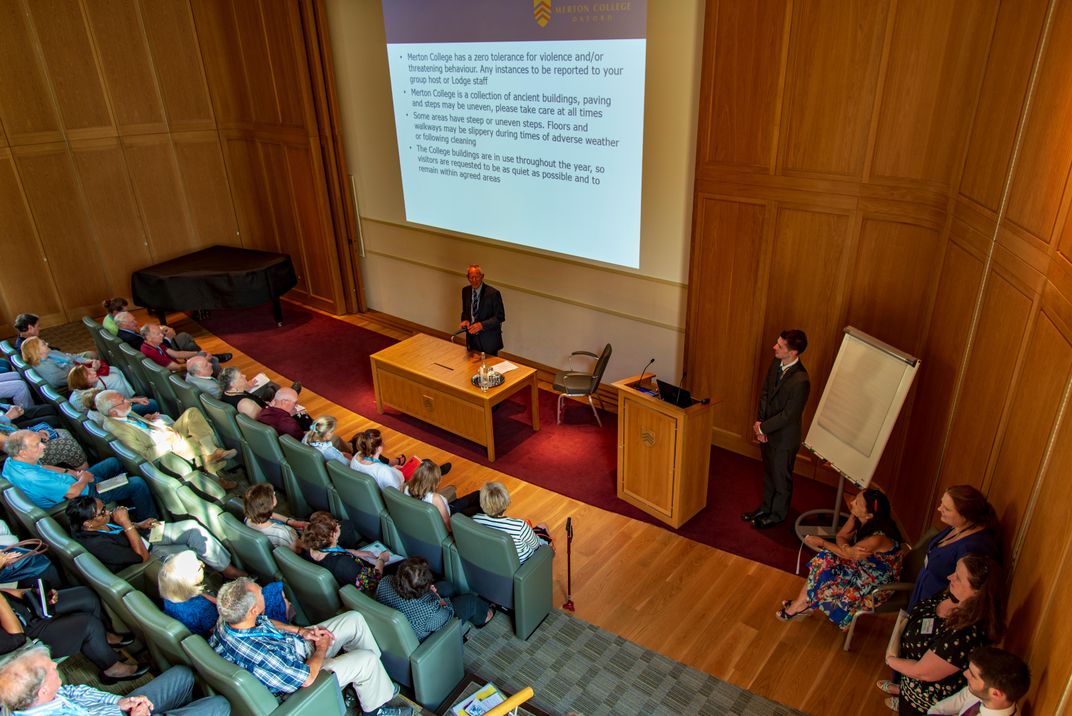
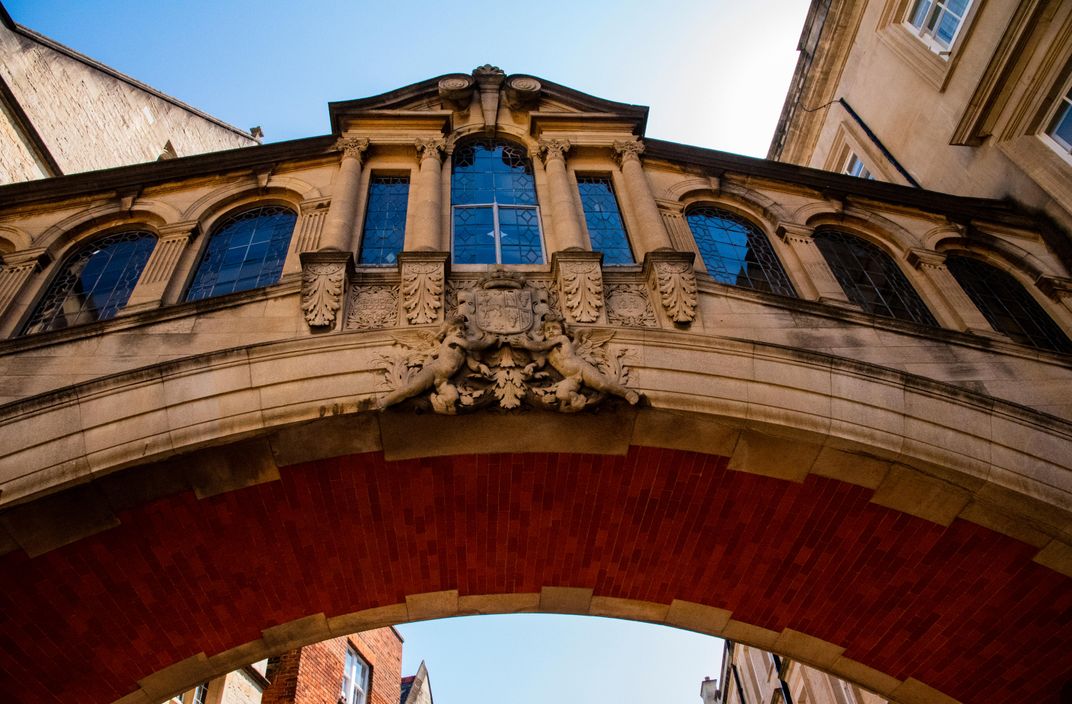
Each of your days on campus begins with breakfast in the dining hall. This morning, attend your first morning lecture, pausing for a mid-morning coffee break. After lunch together, set out on an architecture tour of the Oxford campus, beginning at Merton College. Showcasing a range of styles, from Gothic to neoclassical, the university’s stunning architecture inspired the town’s nickname: “the city of dreaming spires.” Sit down to dinner at the long tables of the elegant dining hall, or perhaps you’ll receive a coveted invitation to dine at the High Table, where university fellows and their distinguished guests traditionally eat. Everyone will have the opportunity to dine at the High Table during the seminar. After dinner, meet up for an evening talk by one of Oxford’s professors. (B,L,D)
Day 4 — Oxford
A key element of studying at Oxford is the tutorial, when students and faculty meet in small groups for conversation about their subject, allowing for a more in-depth and personalized learning experience. Begin the day with an introduction to the tutorial concept, and after a coffee break, take time for independent study, perhaps heading to the centuries-old Merton Library to read. Following lunch at leisure, meet with a faculty member for your first tutorial, delving into topics from the previous day’s lecture with a thought-provoking, informal discussion. This evening, dine together at the dining hall and then head to a nearby pub for a lively trivia night. (B,L,D)
Day 5 — Field Trip Day
Embark on your first field trip, joining your tutor and classmates for an outing relevant to your coursework. Depending on your chosen course, you might visit a renowned museum or a historic site that furthers your understanding of your subject matter. You’ll have free time to get lunch and explore your destination on your own and an evening at leisure back in Oxford. (B)
Day 6 — Oxford
Begin the day with a morning lecture and then enjoy free time for lunch and independent study. You might catch up on reading for your course, or, if you wish, begin working on a short paper to present during your final class the following week. You’ll have access Oxford’s libraries for conducting your research. In the evening, meet up for dinner at the dining hall and an evening talk by an Oxford expert. (B,D)
Day 7 — Oxford
Enjoy a leisurely morning to study on your own before gathering for your second tutorial of the week. After lunch at the dining hall, delve into the history of Oxford on a guided tour of Merton College and the legendary Bodleian Library, home to some 13 million printed pieces, including the letters of Percy Bysshe Shelley and J.R.R. Tolkien’s original illustrations for The Hobbit. The evening is yours to discover one of the town’s pubs or restaurants with new friends. (B,L)
Days 8–9 — Weekend at Oxford
Take advantage of the weekend to relax and get acquainted with Oxford town, perhaps punting on the River Cherwell, visiting Oxford Castle, or strolling through the Botanic Garden. You’ll also have the option of joining a Saturday excursion to London, where you’ll visit the National Gallery and The Globe theater (at additional cost). Alternatively, set off on your own to discover another part of Great Britain, perhaps taking the train to Bath or spending Saturday night in Edinburgh. Early Sunday evening, gather in the quad for a festive barbecue and a round of croquet (weather permitting). (2B,1D)
Day 10 — Oxford
Return to the classroom for a morning lecture, pausing mid-way for a coffee break. After lunch at the dining hall, set out on a tour of Pembroke College. Oxford is home to more than 30 colleges, established from the 13th century onward. King James I of Scotland founded Pembroke in 1624, and its notable students include writer Samuel Johnson; U.S. Senator J. William Fulbright; and chemist James Smithson, the founder of the Smithsonian Institution. Later, enjoy dinner at the dining hall and an evening talk by an Oxford luminary. (B,L,D)
Day 11 — Oxford
After breakfast, take advantage of time for independent study, followed by a tutorial with several classmates and a faculty member. The remainder of the afternoon is at leisure, and lunch and dinner are on your own. Tonight, immerse yourself in the music of Evensong, a choral recital or concert that takes place nightly beneath the soaring nave and stained-glass windows of Christ Church Cathedral. (B)
Day 12 — Field Trip Day
Explore another part of England during a field trip designed for the full group of Smithsonian Journeys students. After morning tours and visits, you’ll have the remainder of the day and evening free to discover your destination on your own. Stay tuned for details! (B)
Day 13 — Oxford
This morning is dedicated to independent study and your final tutorial. Enjoy free time for lunch, and, if you have chosen to write a paper for your class, you’ll have the afternoon to work on it. Gather for dinner together followed by an evening talk by a university professor. (B,D)
Day 14 — Oxford
During this morning’s class, students who have written a paper will have the opportunity to present and discuss their work. Meet for a final lunch in the dining hall and then enjoy a free afternoon to return to your favorite haunts in Oxford. Toast your fortnight as an Oxford student at a celebratory farewell dinner this evening. (B,L,D)
Day 15 — Oxford
After breakfast, travel back to London to catch your flight home. (B)
Included meals are denoted as follows: Breakfast (B), Lunch (L), Reception (R), Dinner (D)

/https://tf-cmsv2-journeys-media.s3.amazonaws.com/filer/ee/82/ee82e464-4d59-4db0-8eb2-022a75444714/eng_oxford_merton_dining_high_table_wadejennings_4.jpg)
/https://tf-cmsv2-journeys-media.s3.amazonaws.com/filer/f8/e9/f8e9266e-19f6-4f0a-8397-baf082da2f4c/oxford_bodleian_library_3.jpg)
/https://tf-cmsv2-journeys-media.s3.amazonaws.com/filer/98/62/986294f4-9288-4fd7-b689-88191af71d37/eng_oxford_architecture_wadejennings_70.jpg)
Dates & Prices
Dates
Availability
Price
Aug 7 - 21, 2027
Available
from $9,995
| Occupancy | Double | Single |
|---|---|---|
| Price | $9,995 | $11,045 |
Prices are based on rates of exchange, airfare & fuel (where applicable), tariffs, taxes, and other costs as of the tour publication date. We reserve the right to correct errors and to increase program prices to cover increased costs, tariffs, and taxes received after prices are published and to reflect currency fluctuations.
/https://tf-cmsv2-journeys-media.s3.amazonaws.com/filer/98/62/986294f4-9288-4fd7-b689-88191af71d37/eng_oxford_architecture_wadejennings_70.jpg)
Tour Details
Accommodations
Merton College
Oxford, England
Merton College is a vibrant and diverse intellectual community that has been at the forefront of education and research at Oxford University since 1264. Nobel Prize winners and other cultural and scientific icons, such as T.S. Eliot and J.R.R Tolkien, adorn the list of eminent Mertonians. The living experience at this historic college includes delicious food, walks through beautiful gardens and quads to get to classes or meals, all set amid stunning architecture. All rooms have a private bathroom, one or two single beds, a wardrobe, a bedside table, a chest of drawers, and a desk. All bedrooms feature WiFi internet access, telephones, tea- and coffee-making facilities, but they are not equipped with air conditioning, safes, or hair-dryers. Fans are available on request. Due to the campus’ sustainability commitment, travelers are asked to bring their own toiletries. Bed linens and towels are supplied. Bedding is changed weekly, and the College Lodge is staffed 24-hours a day and open for inquiries from 7:00 a.m. to 10:00 p.m. Note that Merton College has limited elevators and travelers may need to ascend several flights of narrow stairs in order to reach their rooms. A limited number of ground floor rooms are available on request, but not guaranteed.
Activity Description
Expectations: Two-week stay based in one destination. Light pace with daily activities of four to six hours and independent time for personal interests. Most activities take place at Merton College or within walking distance. Included day excursions outside of Oxford are by motor coach and may be a full day, with walking tours of up to three miles, depending on the course selection. Throughout the program, walking may be over uneven pavement and cobblestones, and may entail some stairs without handrails. Note that Merton College is a 800-year old student lodging that is simply furnished and does not have elevators. Some travelers may need to ascend several flights of stairs in order to reach their rooms. Please see the Accommodations tab for more information on Merton College.
Appropriate for: Travelers who are physically fit and comfortable with longer days of touring (both walking tours and coach time).
2027 Seminar course selections
The People’s War: A History of the Second World War in Britain and America Through the People Who Came to Define it
The Second World War had a profound impact on Anglo-American relations and identity formation. In the war against the Axis, this ‘Grand Alliance’ came to define the post-war global order by forming a special relationship across the Atlantic over the shared principles of democratic freedom. This militaristic war co-existed alongside national narratives of a collectivist ‘people’s war’ in which a plucky Britain had stood alone in 1940. But where did such popular perceptions of the conflict stem from, and how can we interrogate their accuracy?
This course examines how the meaning of the Second World War has been constantly contested following its outbreak in 1939. It does so through the works of prominent military, political, and cultural figures who came to define it, including Winston Churchill, J. B Priestly, Field Marshal Montgomery, Franklin Roosevelt, Dwight Eisenhower, and General George C. Marshall, among others. It then turns to consider how the conflict has been repeatedly reimagined not just by contemporaries themselves but also by historians in line with the changing socio-political landscape of the post-war era.
- Field Trip: Travel to the Churchill War Rooms in London to visit the secret underground headquarters where the course of the Second World War was determined. As we explore the collections on display, we shall reflect on how narratives of the conflict have shaped the presentation and design of public heritage sites.
- Tutor: Gabrielle Davies is a DPhil candidate in history at the University of Oxford. Her research explores national identities and the politics of post-war reconstruction in Second World War Wales. Gabrielle holds a Master of Studies (MSt) in Modern British History with Distinction from the University of Oxford. She previously studied at King’s College London where she received a First-class BA degree in history and was elected as an associate.
Reading List:
- Edgerton, D, “The Nationalisation of British History: Historians, Nationalism and the Myths of 1940,” The English Historical Review, 136/581 (2021), pp. 950–985.
- Kimball, W, Forged in War: Roosevelt, Churchill, and the Second World War Chicago, 2003).
- Klein, M, A Call to Arms: Mobilising America for World War II (2015).
- Reynolds, D, In Command of History, Churchill Fighting and Writing the Second World War (2004).
- Rose, S, Which People’s War?: National Identity and Citizenship in Britain 1939-1945 (2003).
- Todman, D, Britain’s War: Into Battle, 1937-41 (2016) &Britain’s War: A New World 1942-47(2020)
The Authors Who Shaped Oxford
Over the centuries, the city and university of Oxford have been a source of inspiration, praise, and critique for some of Great Britain’s most renowned authors. The 20th-century writers who lived, studied, or lectured in Oxford were especially responsible for establishing a world-famous literary reputation that endures today. By focusing on major works by J.R.R. Tolkien, C.S. Lewis, T.S. Eliot and Iris Murdoch, students will explore the institutionalization of writers at Oxford University, the inspiration of Oxford as a setting for genre fiction, the city as a respite for writers across the world, and the way that Oxford philosophers used literature to progress wider academic questions.
As we examine writings from the modern(ist) period, we will appreciate the literary dimension of these writers’ wider social, political and aesthetic points and examine the stories of the authors behind their celebrated reputations. Students will contextualize the authors’ works in relation to Oxford’s own status as a world-famous symbol and consider the commercialization and reception of these writers. In short, this course aims to familiarize its students with the breadth and depth of famous modern Oxford writers through a multifaceted engagement with select case studies.
- Field Trip: Visit The British Library in London and learn how books are stored, accessed, and delivered in the Viewing Gallery. On a guided tour of the Treasures of the British Library exhibition, see historic books and manuscripts, including iconic works by British legends—from Shakespeare to Monty Python!
- Tutor: Dr Lillian Hingley is a researcher and tutor in modern and contemporary Anglophone literature and theory at Oxford’s Worcester College. Originally from Manchester, she is especially interested in the cultural, philosophical, and historical dimensions of literature from Britain and America—whether experimental or popular—from the Romantic period to the present day.
- Reading List:
- Tolkien:
- J.R.R. Tolkien’s novel The Hobbit. HarperCollins.
- BBC Documentary ‘Tolkien in Oxford’. Online Here.
- Humphrey Carpenter’s chapter ‘Oh for the people who speak one’s own language’ in his book The Inklings: C. S. Lewis, J. R. R. Tolkien, Charles Williams and their Friends. HarperCollins.
- Lewis:
- C.S. Lewis’ novel The Lion, The Witch and The Wardrobe. HarperCollins.
- Lewis’ sermon ‘Learning in Wartime’. Online here.
- Simon Horobin’s article ‘Never Trust a Philologist’. Online here.
- Eliot:
- T.S. Eliot’s poem The Waste Land. Faber & Faber.
- Eliot’s poem ‘The Love Song of J. Alfred Prufrock’ in his collection Prufrock and Other Observations. Faber & Faber.
- Eliot’s essay ‘Tradition and the Individual Talent’. Online here.
- Nancy D. Hargrove’s article ‘T.S. Eliot at Merton College’, The University of Oxford. Online here.
- Murdoch:
- Iris Murdoch’s novel The Philosopher’s Pupil. Penguin.
- Murdoch’s essay ‘On ‘God’ and ‘Good’’. Online here.
- Robert Zaretsky’s article ‘Iris as Pupil’. Online here.
- Tolkien:
The Stately Homes of England: From Castles to Country Houses
The stately home is an icon of England and arguably its greatest contribution to world culture. Yet it took many different forms, evolving over time and varying with the status, ambition and needs of the owner. This course explores this rich variety, from noblemen’s castles to grandiose town houses, and from royal palaces to the houses of the nouveaux riches nabob returning from India. Ultimately it seeks to distil the essence of the English country house. Participants will be provided with the necessary skills to interpret the stately home in its various forms and to understand the importance of form and function, motivation and money. They will use archival sources and a field visit to gain a deeper appreciation of stately homes and their owners.
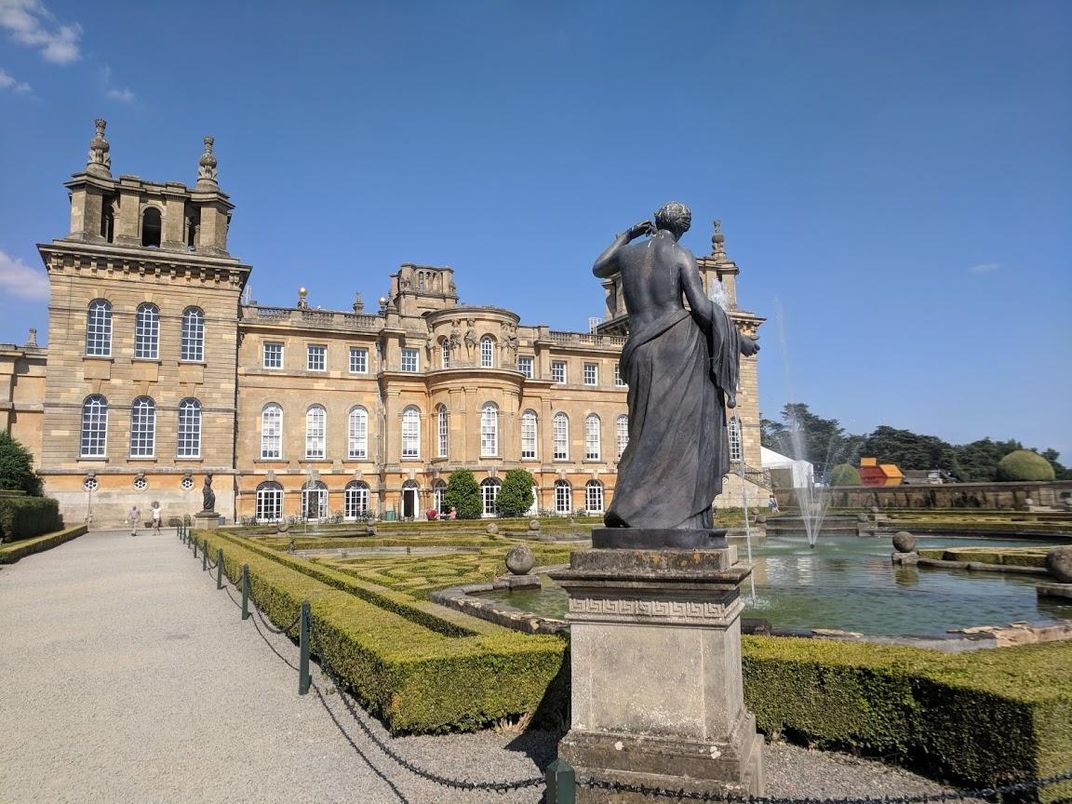
- Field Trip: Participants will enjoy a guided excursion to Blenheim Palace, exploring its opulent architecture, landscaped gardens, and historical significance.
- Tutor: Professor Jon Stobart has spent the last 20 years researching and teaching on the English country house. His early work, culminating in Consumption and the Country House (2016), focused on how country houses were supplied with mundane things like groceries as well as splendid furniture and collections of books. Subsequent research has focused on the country house as a place of comfort—both emotionally and physically (Comfort and the Eighteenth-Century Country House, 2020) and most recently on the impact of global connections and imperial goods. This has involved working with colleagues elsewhere in Europe and beyond to produce the open access book Global Goods and the Country House (2023). He is currently running a research network on the hidden lives of servants in the European country house.
Reading List
*As an Amazon Associate, Smithsonian Journeys earns from qualifying purchases.
Before your tour you will receive a reading list specific to the course you have chosen.
Below are a few books about Oxford which you can also read to prepare you for your visit.
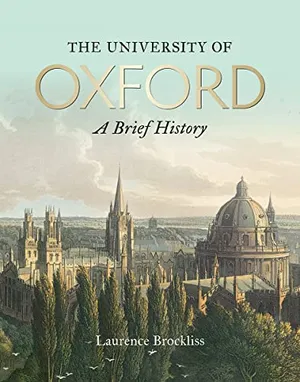
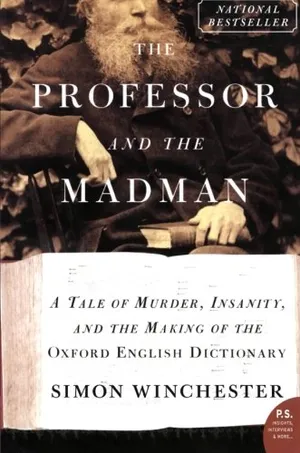
Recommended books about Oxford


Travel Insurance
For the convenience of our travelers, Smithsonian Journeys includes a basic medical expense and evacuation plan through Trip Mate, a Generali Global Assistance & Insurance Services brand, at no additional charge. This plan provides post-departure Medical and Dental coverage of $250,000 per person and Emergency Assistance and Transportation coverage of $1,000,000 per person (U.S. Residents Only). Note: For full details regarding these coverages please review the following Plan Documents here.
In addition, we recommend that travelers purchase a travel protection plan to help protect their travel investment from unforeseen events such as cancellation due to illness, flight delays due to adverse weather, baggage loss, and more. For your convenience, Smithsonian Journeys offers an optional Travel Protection Plan administered by Trip Mate, a Generali Global Assistance & Insurance Services brand. For those interested, optional "Cancel for Any Reason" coverage is available for an additional charge. Note: Certain eligibility requirements apply and Cancel for Any Reason coverage is not available to New York residents. For full details regarding this coverage please review the following Plan Documents here.
To learn more about the Travel Protection Plan, you may visit https://www.generalipartner.com/smithsonianjourneys or call the administrator, Trip Mate, a Generali Global Assistance & Insurance Services brand at (866) 501-3252.
Related Tours
/https://tf-cmsv2-journeys-media.s3.amazonaws.com/filer/1a/d4/1ad4ef3c-b5a0-4a11-96b8-d1bc2704d272/eng_oxford_allsoulscollege_dt14695616.jpg)
Literary England: A Tailor-Made Journey from London to the Lake District
9 days
|
from:
$11,745
Suggested Itinerary
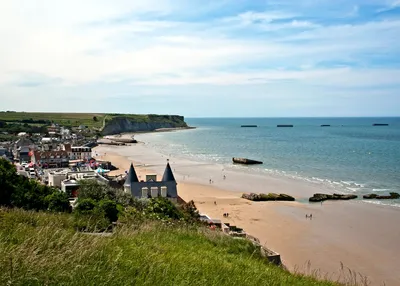
D-Day: Retracing History from England to France
8 days
|
from:
$7,595
Multiple departures between 2026 & 2027
/https://tf-cmsv2-journeys-media.s3.amazonaws.com/filer/98/e1/98e1b2bc-30b7-4d9b-9de7-218003fed095/eng_oxford_skyline_05.jpg)
Smithsonian at Oxford: A Week at Historic Merton College
8 days
|
from:
$6,295
Multiple departures between 2026 & 2027