
/https://tf-cmsv2-journeys-media.s3.amazonaws.com/filer/98/e1/98e1b2bc-30b7-4d9b-9de7-218003fed095/eng_oxford_skyline_05.jpg)
Smithsonian at Oxford: A Week at Historic Merton College
8 days from $6,295
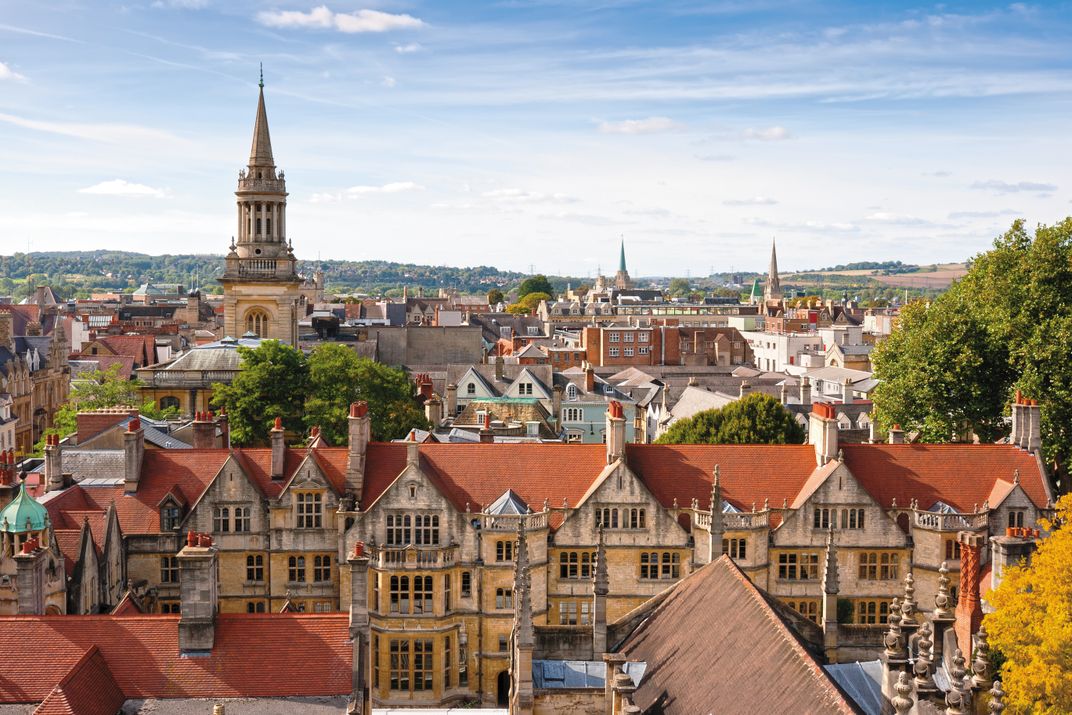
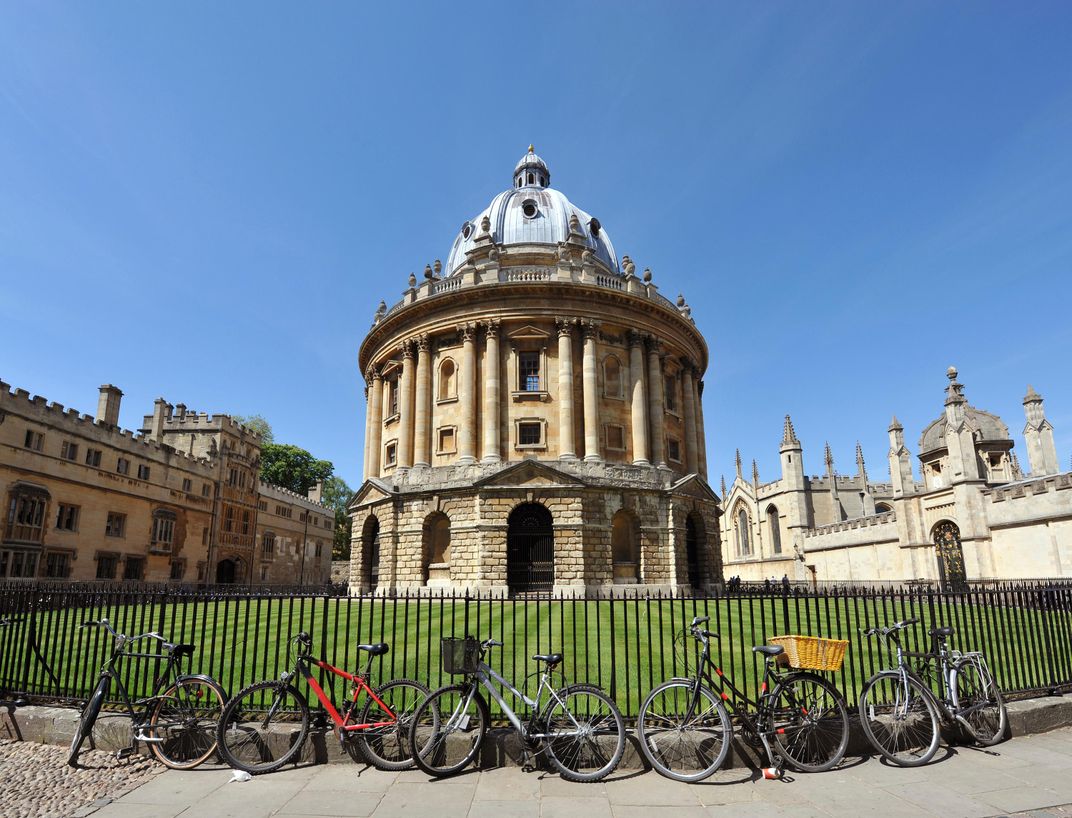
Since the 12th century, students have walked the hallowed halls of Oxford University, drawn by its rigorous academic culture and its stimulating intellectual environment. Spend a rewarding week as a student at Oxford, exploring a subject of your choice. Stay at Merton College, enjoy classes with Oxford tutors, explore historic libraries and courtyards, dine in the college hall, and venture on field trips tied to your chosen subject.

Highlights
- Courses of Study: Delve into a fascinating topic ranging from English literature to archaeology and history during morning classes taught by an Oxford University expert, or “tutor.” Find course descriptions and tutor information in the Tour Details section.
- Excursions: During a tour of Oxford, learn about this historic city, the British educational system, and the connection between James Smithson (founding donor of the Smithsonian Institution) and the university, which he attended as a student. Plus, take a field trip tailored to your specific course. Field trip descriptions are found with the course descriptions in the Tour Details section.
- Optional Activities: For returning students (and first-timers as well), tour staff will be happy to help arrange alternative afternoon outings (at an additional fee), including punting; a guided tour of the Ashmolean Art Museum; and a tour of the Bodleian Library.
- Lifestyle: Stay at historic Merton College, home to the university’s oldest quadrangle, and immerse yourself in life as an Oxford student. Live in a dormitory room (with en suite bathroom), dine in the college hall—including High Table, a privileged tradition, and study or socialize in Merton’s common rooms and gardens. During your free time, explore the charming town of Oxford, take tea at local eateries or gather with fellow travelers for a pint at the of the day. Gather with the group to enjoy the famous Evensong recital at Christ Church College.
*Each course averages 12-14 participants.
The Smithsonian at Oxford provides an accessible educational experience, nicely balanced with opportunities to visit nearby sites of interest. The Smithsonian at Oxford also provides an opportunity to experience true student life again.
— Christopher B.

Itinerary
To see itinerary, please click on an option below.
Course titles and descriptions can be found in the Tour Details section below. Please indicate your top three choices of course subject at the time of booking. Final assignments will be determined based on a variety of criteria including, but not limited to, traveler interest, order of registration, and minimum/maximum enrollment counts. Enrollment is limited by class size.
Day 1 — Depart the U.S for London
Depart the U.S. for London on individual flights.
Day 2 — London, Oxford
Arrive in London this morning and transfer to Oxford. Settle into your en suite dormitory lodgings at Merton College, the university’s first self-governing college, established in 1264. This evening, gather for a welcome dinner and plenary talk. (R,D)
Days 3–7 — Oxford
Delve into life as a student during morning classes in your chosen course at Merton College. Meet for lunch at the dining hall and in the afternoons, enjoy an organized excursion, expert lectures, or free time to get acquainted with the university and the town. Take part in an Oxford tradition with a High Table dinner, typically prepared for university fellows and their guests.
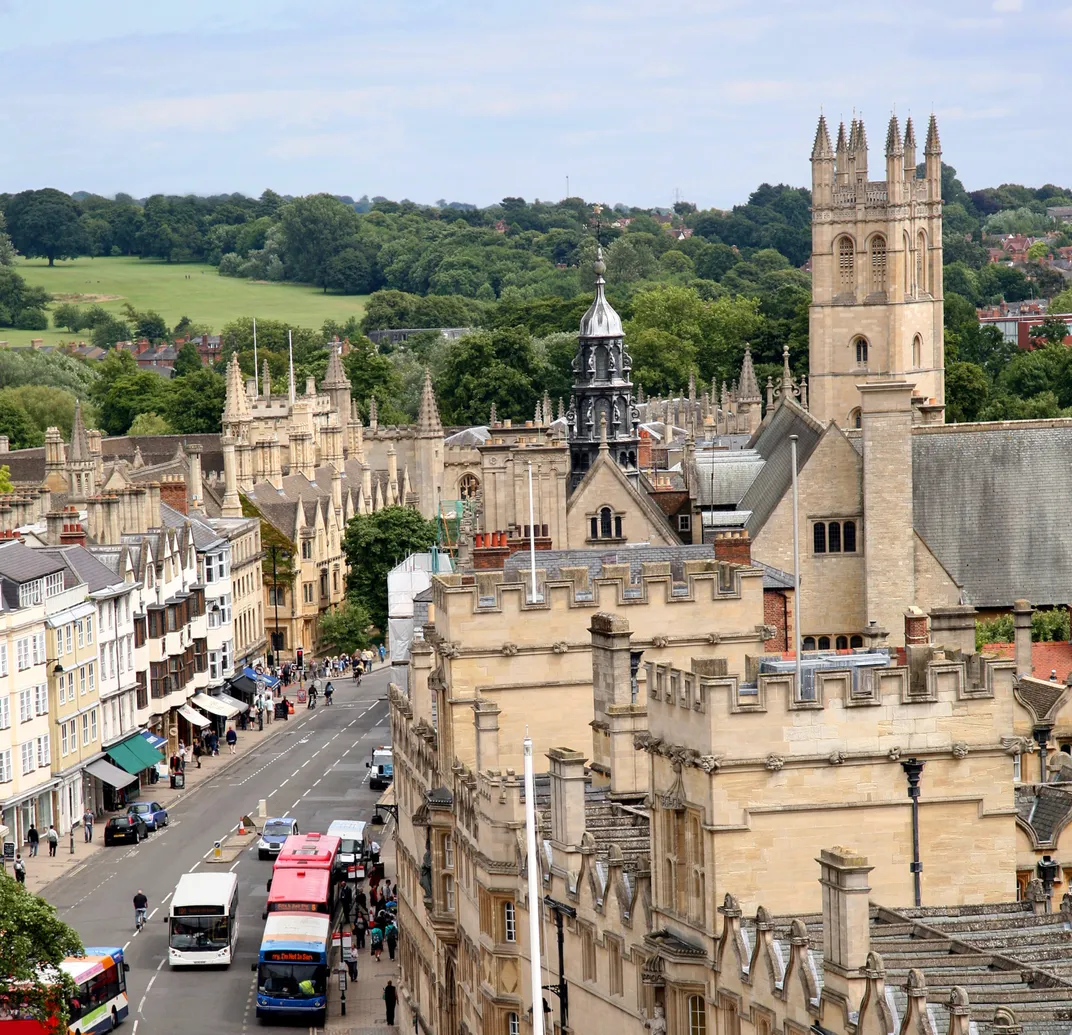
Excursions: Take a guided tour of the historic and cultural highlights of Oxford town, and gain insights into the British educational system and the university’s role in it. Hear the story of James Smithson, a leading British scientist who attended Oxford—and later became the founding donor of the Smithsonian Institution. Alternative afternoon excursions are available for return travelers. In addition, take a field trip tailored to your specific course. Course-related field trips are outlined in the course descriptions under the Tour Details tab.
On your final evening, gather with your fellow Smithsonian students for a farewell reception followed by a celebratory dinner. (5B,5L,1R,5D)
Day 8 — Oxford
After breakfast transfer to Heathrow Airport for individual flights back to the U.S. (B)
Included meals are denoted as follows: Breakfast (B), Lunch (L), Reception (R), Dinner (D)
/https://tf-cmsv2-journeys-media.s3.amazonaws.com/filer/98/e1/98e1b2bc-30b7-4d9b-9de7-218003fed095/eng_oxford_skyline_05.jpg)
/https://tf-cmsv2-journeys-media.s3.amazonaws.com/filer/98/e1/98e1b2bc-30b7-4d9b-9de7-218003fed095/eng_oxford_skyline_05.jpg)
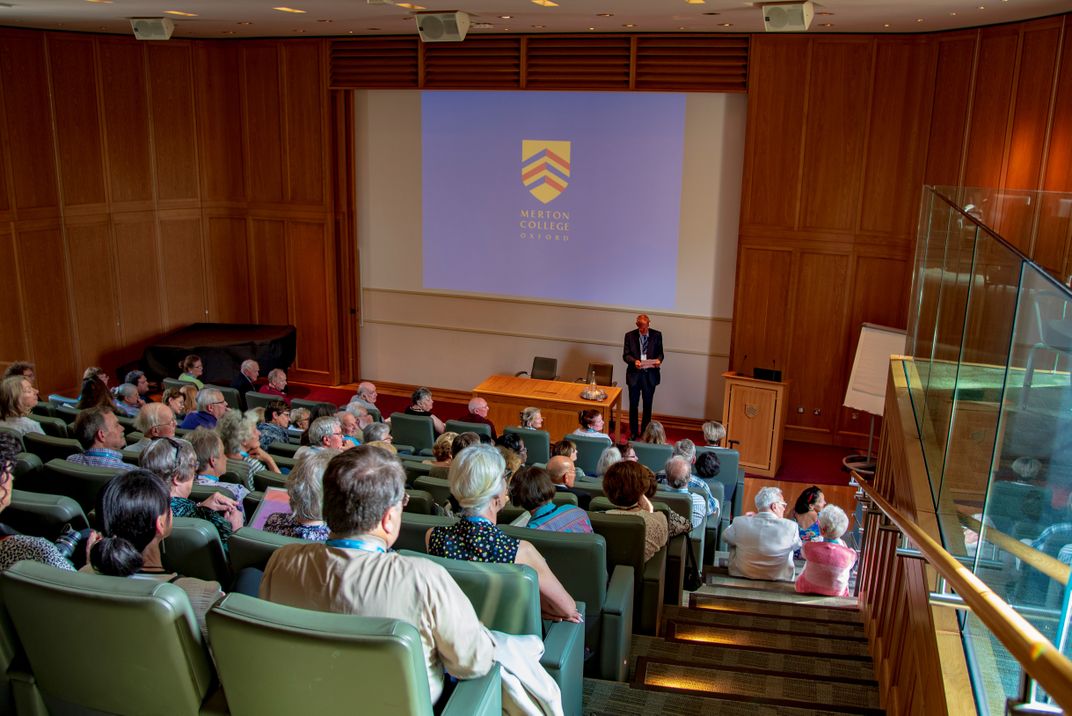
/https://tf-cmsv2-journeys-media.s3.amazonaws.com/filer/4a/8b/4a8bcfc5-6935-4d8a-9bed-a27ce25803c2/eng_oxford_merton_dining_high_table_wadejennings_4.jpg)
/https://tf-cmsv2-journeys-media.s3.amazonaws.com/filer/56/7b/567bdd66-6a41-494f-99ef-2b8044de6c17/eng_oxford_merton_sjwelcomereception_wadejennings_6.jpg)
/https://tf-cmsv2-journeys-media.s3.amazonaws.com/filer/85/41/85413047-483e-4ebf-aa8c-992f54a6437f/eng_oxford_mertoncollege_ext_ist_467989540.jpg)
/https://tf-cmsv2-journeys-media.s3.amazonaws.com/filer/4c/6c/4c6c48bb-0544-4963-b30a-3a68283dacb6/eng_oxford_mertonhightable_wadejennings_13.jpg)

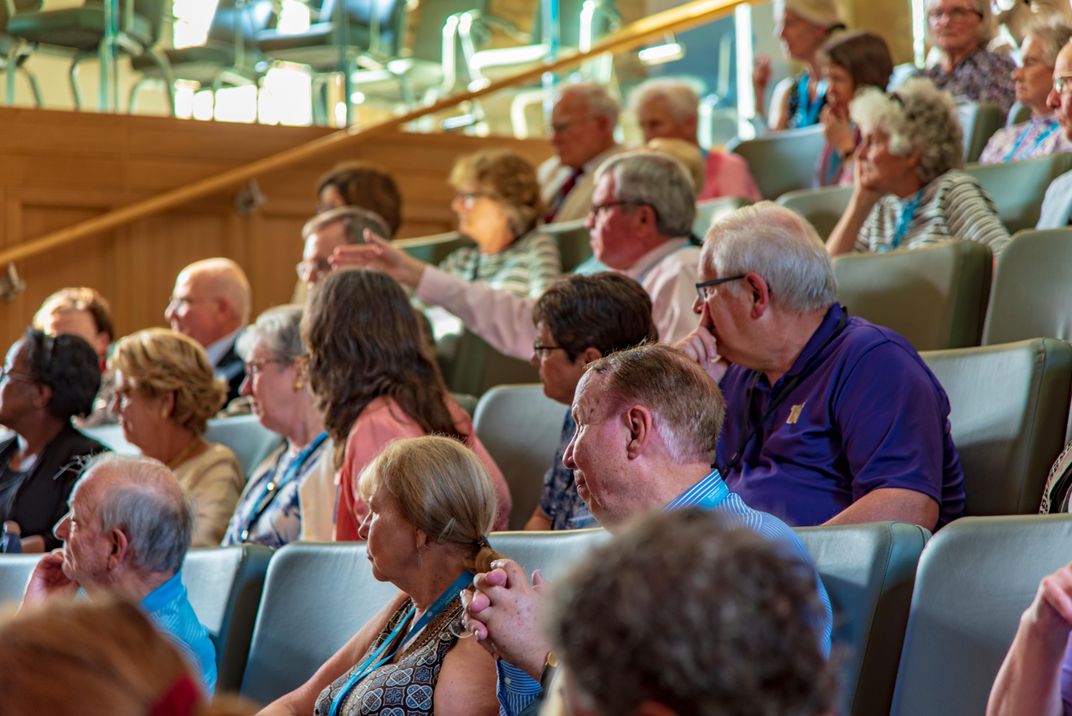
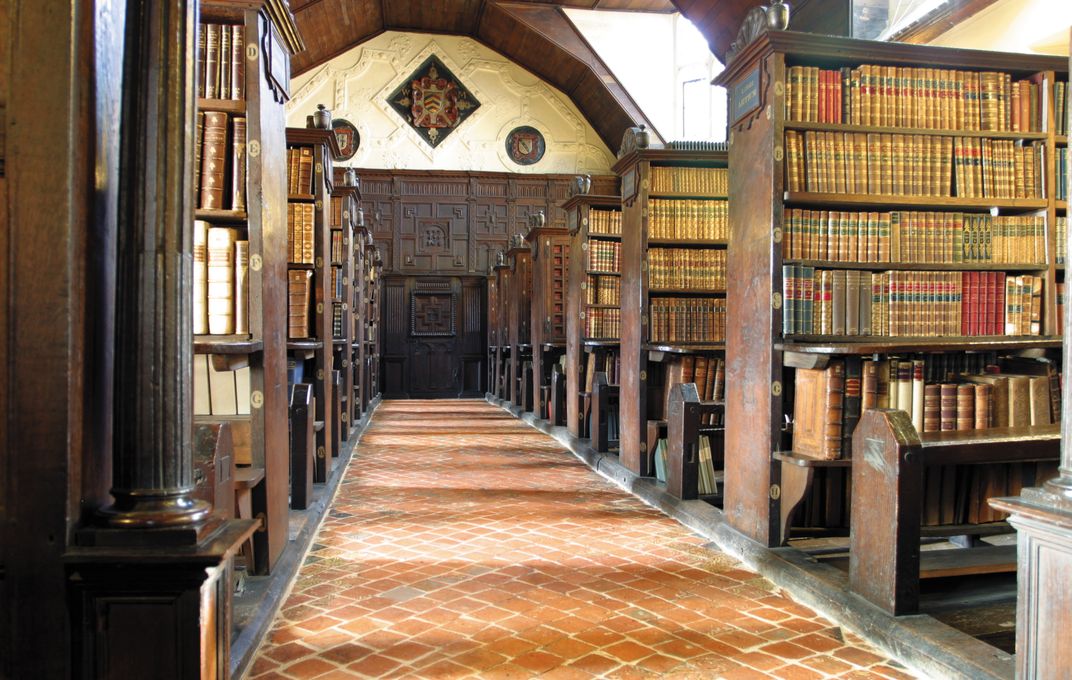
/https://tf-cmsv2-journeys-media.s3.amazonaws.com/filer/36/30/36304ffd-fb83-4835-9276-e157d4087767/eng_oxford_mertoncollege_quadrangle_wadejennings_91.jpg)
/https://tf-cmsv2-journeys-media.s3.amazonaws.com/filer/bd/a3/bda314d1-ba7e-4abc-9d83-4d9b050e0ee6/eng_oxford_merton_college_chapel_wadejennings_78.jpg)
/https://tf-cmsv2-journeys-media.s3.amazonaws.com/filer/62/d2/62d28773-6f5c-4f48-8371-ac5d1d53aa3a/eng_oxford_merton_chapel_wadejennings_26.jpg)
/https://tf-cmsv2-journeys-media.s3.amazonaws.com/filer/68/c3/68c31a2c-aeca-42b0-895e-edf2b09916f8/eng_oxford_mertontutorandstudent_wadejennings_1.jpg)
/https://tf-cmsv2-journeys-media.s3.amazonaws.com/filer/ec/33/ec33972b-cfef-4c8e-9617-1af66290ef83/eng_oxford_sttravelers_flag_wadejennings_4.jpg)
/https://tf-cmsv2-journeys-media.s3.amazonaws.com/filer/d4/09/d409b025-cb32-419d-9aa4-2d74b5172dbb/eng_oxford_sjtravelers_lecturebreak_wadejennings_11.jpg)
/https://tf-cmsv2-journeys-media.s3.amazonaws.com/filer/88/55/8855d254-f91a-480f-939e-0217316f0c6b/eng_oxford_sjtraveler_wadejennings_20.jpg)
/https://tf-cmsv2-journeys-media.s3.amazonaws.com/filer/3e/ad/3ead24a5-3100-4079-b6ca-4cef53c92287/eng_oxford_sjtravelers_wadejennings_14.jpg)
/https://tf-cmsv2-journeys-media.s3.amazonaws.com/filer/1c/13/1c134f76-7086-470f-bae0-a7447f371450/eng_oxford_sjtravelers_lecturebreak_wadejennings_18.jpg)
/https://tf-cmsv2-journeys-media.s3.amazonaws.com/filer/08/c4/08c49988-b1f8-4856-be2d-66ddc8764f2c/eng_oxford_merton_gatheringduringlecturebreak_wadejennings_1.jpg)
/https://tf-cmsv2-journeys-media.s3.amazonaws.com/filer/02/b2/02b24adf-6f4f-4895-964b-96d47dd2e0b7/eng_oxford_mertoncollegehousing_wadejennings_88.jpg)
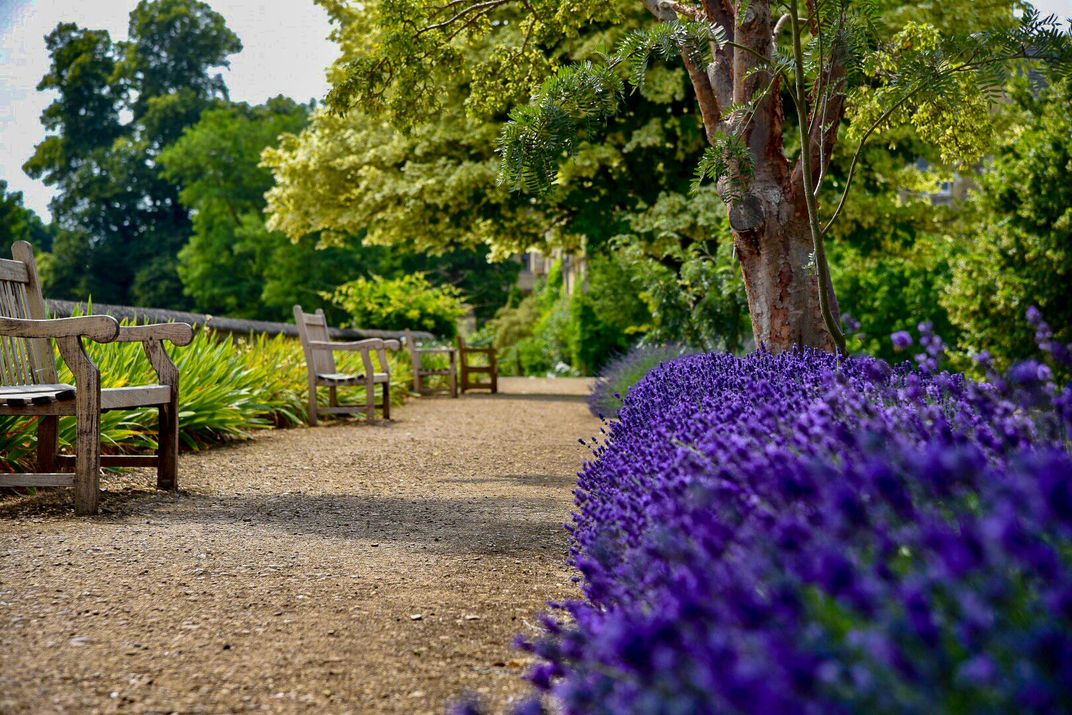
/https://tf-cmsv2-journeys-media.s3.amazonaws.com/filer/36/23/36230057-23ba-460f-a3f9-a7b7e4419832/eng_oxford_mertongardens_wadejennings_6.jpg)
/https://tf-cmsv2-journeys-media.s3.amazonaws.com/filer/22/86/228672c7-04c2-471b-a324-46fa6b012c9a/eng_oxford_evewalk_wadejennings_3.jpg)
/https://tf-cmsv2-journeys-media.s3.amazonaws.com/filer/be/f9/bef982ed-1e26-4d07-bfc5-7ecb89d4d59d/eng_oxford_bridgesighs_ist174669525.jpg)

Dates & Prices
Click on the departure date to see pricing. Click the for more information.
Dates
Availability
Price
Sep 19 - 26, 2026
Call to Inquire
from $6,295
| Occupancy | Double | Single |
|---|---|---|
| Price | $6,295 | $6,890 |
Please indicate your top three choices of course subject at the time of booking. Final assignments will be determined based on traveler interest. Enrollment in each course is limited.
Guests must be 18 years of age or older to participate on this program.
Prices are based on rates of exchange, airfare & fuel (where applicable), tariffs, taxes, and other costs as of the tour publication date. We reserve the right to correct errors and to increase program prices to cover increased costs, tariffs, and taxes received after prices are published and to reflect currency fluctuations.
/https://tf-cmsv2-journeys-media.s3.amazonaws.com/filer/56/7b/567bdd66-6a41-494f-99ef-2b8044de6c17/eng_oxford_merton_sjwelcomereception_wadejennings_6.jpg)
Tour Details
Accommodations
Merton College
Oxford, England
Merton College is a vibrant and diverse intellectual community that has been at the forefront of education and research at Oxford University since 1264. Nobel Prize winners and other cultural and scientific icons, such as T.S. Eliot and J.R.R Tolkien, adorn the list of eminent Mertonians. The living experience at this historic college includes delicious food, walks through beautiful gardens and quads to get to classes or meals, all set amid stunning architecture. All rooms have a private bathroom, one or two single beds, a wardrobe, a bedside table, a chest of drawers, and a desk. All bedrooms feature WiFi internet access, telephones, tea- and coffee-making facilities, but they are not equipped with air conditioning, safes, or hair-dryers. Fans are available on request. Due to the campus’ sustainability commitment, travelers are asked to bring their own toiletries. Bed linens and towels are supplied. Bedding is changed weekly, and the College Lodge is staffed 24-hours a day and open for inquiries from 7:00 a.m. to 10:00 p.m. Note that Merton College has limited elevators and travelers may need to ascend several flights of narrow stairs in order to reach their rooms. A limited number of ground floor rooms are available on request, but not guaranteed.
Activity Description
Activity Level 2: Moderate
Expectations: Week-long stay based in one destination. Light pace with daily activities of four to six hours and independent time for personal interests. Most activities take place at Merton College or within walking distance. Included day excursions outside of Oxford are by motor coach and may be a full day, with walking tours of up to three miles, depending on the course selection. Throughout the program, walking may be over uneven pavement and cobblestones, and may entail some stairs without handrails. Note that Merton College does not have elevators and some travelers may need to ascend several flights of stairs in order to reach their rooms. Please see the Accommodations tab for more information on Merton College.
Appropriate for: Travelers who are physically fit and comfortable with longer days of touring (both walking tours and coach time).
2026 Course Descriptions & Tutors
Please indicate your top three choices from among the courses offered for each departure at the time of booking. Final assignments will be determined based on a variety of criteria including, but not limited to, traveler interest, order of registration, and minimum/maximum enrollment counts. Enrollment is limited by class size. Course assignments will be emailed to booked travelers approximately 120 days prior to departure. Information on the Oxford University experts, known as tutors, who will teach each course can be found under the Enrichment tab. In the event that a tutor is changed, the course will be delivered as described and you will be notified of the change as soon as possible. Each course will also feature a special field trip tailored to its theme.
Archaeology of Britain (July 2026)
Trace Britain’s archaeological history, gaining insight into the culture and stories of this unique archipelago from the introduction of great stone henge monuments of the Neolithic era (e.g. Orkney, Scotland), to the rich burial sites that demonstrate migration and cultural identities (e.g. Amesbury Archer, Wiltshire), to ritual and religious practices and heritage (e.g. Roman Baths, Bath). In this course, students will reference artifacts, landscapes, burials, settlements, and monuments to explore the significant changes in the lifeways and material worlds of the people who arrived, moved around, and dwelt in the British Isles.
- Field Trip: Venture to the intriguing World Heritage site of Stonehenge and learn about recent archaeological finds and the latest theories about the sites’ significance.
- Tutor: Dr. Sarah K. Doherty is an archaeologist who specializes in ancient artifacts, particularly ceramics. Her academic background focuses on the ceramics of settlements, the development of ancient technology, experimental reconstructions of ancient craft, and the lives of non-elites. She is particularly noted for her work on the potter's wheel, and its adoption and use in Egypt and Sudan, which was part of her masters at University College London (2009) and her PhD thesis at Cardiff University (2013). Her book on the subject, The Origins and Use of the Potter's Wheel in Ancient Egypt, was published in 2015.
Sarah has taught various courses at the University of Oxford's Department for Continuing Education, notably for the Certificate in Archaeology, and on a range of topics from museum studies, the built environment, and ancient craft and pottery. She previously worked at the Ashmolean Museum of Art and Archaeology in Oxford, where she was responsible for evening programs and festivals. Sarah also works as an archaeological consultant, surveying and assessing archaeological sites and buildings and writing Heritage Impact Assessments. - Reading list:
- Cunliffe, B. 2013. Britain Begins. Oxford: Oxford University Press
- Hunter, J. and Ralston, I. (eds.) 2009. (Second Edition) The Archaeology of Britain. London: Routledge
- Oliver, N. 2020. The Story of the British Isles in 100 Places. London: Black Swan Publishers
- Pollard, J. and Reynolds, A. 2002. Avebury: The Biography of a Landscape. Cheltenham: History Press
The Age of Winston Churchill (July 2026)
Trace Winston Churchill's political career, between 1900 and 1955, as a reflection of the profound political and social changes that took place in Britain over his lifetime. Churchill was considered by many contemporaries a figure trapped by history as much as he was steeped in it. He adhered to ideas of the mid-Victorian “Liberal State” long after most had rejected them. He reacted against much in the modern world, particularly its collectivism, but also drew on deep understanding of the past to interpret historical trends in his own time. His influence continues, not just through the way he molded events as a war leader and peacetime politician, and in the example he gave of a certain political style, but in his voluminous writing about Victorian times and the First and Second World Wars. He once wrote, “Words are the only things which last forever.”
- Field Trip: Tour Chartwell, Churchill’s beloved home, gaining insights into his personal life, leadership, and legacy. Also visit the underground Cabinet War Rooms and see how he stamped his character on the world around him.
- Tutor: Dr. Benjamin Gladstone is a postdoctoral fellow of the Rothermere American Institute at the University of Oxford. He completed his Doctor of Philosophy in global and imperial history at Oxford in 2025, with a dissertation on the relationship between the United States and the League of Nations mandates system. His research examines the rise of American power in the first half of the 20th century and the ways in which U.S. influence reshaped British imperialism, particularly in the context of post–First World War debates over colonial governance and international oversight. More broadly, his work explores the impact of American power on international institutions, war, and the stability of imperial states. He has taught widely in American, diplomatic, and military history at Oxford, as well as at the Chinese University of Hong Kong and the University of Western Ontario. He is also a fellow of the Royal Society of Arts.
- Reading list:
- Addison, P., 2005, Churchill: The Unexpected Hero, OUP
- Churchill, W.,1995, My Early Life, Simon & Schuster
- Clarke, P., 2012, Mr Churchill’s Profession: Statesman, Orator, Writer, Bloomsbury
- Holmes, R., 2005, In the Footsteps of Churchill, BBC
Secrets and Spies: Britain and the Second World War (July and September 2026)
For many, the Second World War is defined by its major battles: D-Day, the Battle of Britain, Kursk, Pearl Harbor, and El Alamein. However, a secret war was being fought behind these seismic events. In this course, we will look at World War II as a catalyst for military innovation and how, in the hands of spooks, spies and codebreakers, new clandestine warfare technology was implemented to such decisive effect. Examine detailed case studies of intelligence activity—such as Operation Mincemeat and the work of the Cambridge Five—and walk in the footsteps of those who worked to decipher Nazi code, which by all historical accounts, shortened the war and saved thousands of lives. Learn about the technology that evolved over the course of the war, from small hand-held inventions to uranium bombs, and focus on the role of the intelligence entities from MI5 and MI6 to the Special Operation Executive.
- Field Trip: Travel to Bletchley Park, home of the wartime Government Code & Cypher School. At this estate outside London, the famous codebreakers of World War II worked to crack the Germans’ Enigma code—as depicted in the acclaimed movie The Imitation Game.
- Tutor: Berenice (Berry) Burnett is a doctoral candidate in the Department of War Studies, King's College London. Berry began her career in museums and maintains a strong interest in how these institutions interpret history for public display. After leaving university she worked as head of research and policy analysis for an aviation security consultancy. In 2014, she became a civil servant where her roles to date have focused on national security and foreign policy. Berry holds a master’s degree in intelligence and security studies from Brunel University, London, and a master’s with honors in history from the University of Aberdeen in Scotland. Her doctoral study is focused on the civil service careers of the Cambridge Five seeking to establish how their advice in these roles affected foreign and security policy decisions taken by ministers between 1935-1952.
- Reading List: Pick the chapters of greatest interest; there is no need to read from cover to cover:
- Andrew, C., The Defence of the Realm: the Authorized History of MI5
- Boyce, F., and Everett, D., SOE the Scientific Secrets
- Jeffery, K., MI6 The History of the Secret Intelligence Service, 1909-1949
- McKay, S., The Secret Life of Bletchley Park
Rise and Fall of the British Empire (September 2026)
This course will examine the rise and fall of the British Empire, from its unlikely and unplanned origins in an age of piracy, through its rivalry with other powers, its Victorian zenith and the two world wars, to its decolonization in the second half of the 20th century. Such concepts as formal and informal empire, imperial structures, and methods of control, including collaboration, will be discussed.
- Field Trip: Travel to Sezincote House in Gloucester, constructed in 1805 when British India was becoming the “jewel in the crown” of the world’s largest empire.
- Tutor: Dr. Jatinder Mann is a visiting research fellow in the Department of History at the University of Reading who specializes in transnational, international, and comparative history, law, and politics in countries across the British Commonwealth. He is the creator and manager of the Australian, Canadian, and New Zealand Studies Network and a fellow of the Royal Historical Society. Jatinder is British and of South Asian descent, specifically from the Punjab, and has lived and worked in Australia, Canada, New Zealand, and Hong Kong. His current research project focuses on the South Asian diaspora in those regions in the early 20th century. He has published numerous articles and more than a dozen books and edited journals on subjects ranging from Australian foreign policy to transnationalism, including his most recent book, Reflecting on the British World: Essays in Honour of Carl Bridge. He serves as editor-in-chief and book reviews editor of the Journal of Australian, Canadian, and Aotearoa New Zealand Studies. Jatinder has been awarded research scholarships and prestigious fellowships internationally and held visiting fellowships at King’s College London, the Australian National University, Carleton University, and Te Herenga Waka Victoria University of Wellington
- Reading List:
- Stephen Roberts (ed.), The Commonwealth at 75: From Westminster to the World (2019) (This lavishly illustrated volume is available for free online here)
- Ashley Jackson, The British Empire: A Very Short Introduction (2013)
- Nigel Dalziel, The Penguin Historical Atlas of the British Empire (2006)
Shakespeare's Britain (September 2026)
William Shakespeare may be a cultural icon from the 16th century, but he is also one of the key producers of our modern idea of Britishness. In this course, we will discover how the Britain that Shakespeare inhabited inspired the vision of the nation that we find in his dramas. Looking at three or four plays, drawn from a variety of genres, we will explore the playwright’s depiction of his country’s culture, geography, and society. Examine Shakespeare’s most iconic stories and settings—the royal courts of the histories and tragedies; the rowdy taverns of the London plays; and the magical landscapes of the comedies—and study the legends, characters, and conflicts that informed his idea of Britain and the British. Through performance clips, students will see how these diverse realms were brought to life on the stage that was the center of Shakespeare’s professional world: the Globe theater in London.
- Field Trip: Travel to London to explore Shakespeare’s Globe. Delve into the theater's 400 years of history and learn about theatrical practices of Shakespeare’s era.
- Tutor: Dr. Caroline Taylor is an early career researcher in 17th-century theater. Her doctoral thesis looked at contagion and women on the English stage from Shakespeare to the Restoration. She has particular interests in feminist criticism, inter-theatricality, and performance history. Caroline was awarded a first-class degree in English literature from the University of Warwick, an MSc with Distinction in English (1510-1700) and her Doctor of Philosophy from the University of Oxford.
- Reading List:
- Required
- As You Like It
- Measure for Measure
- Macbeth
- Cymbeline
- Richard II
- Optional
- King Lear
- Required
2027 Course Descriptions & Tutors
Please indicate your top three choices from among the courses offered for each departure at the time of booking. Final assignments will be determined based on a variety of criteria including, but not limited to, traveler interest, order of registration, and minimum/maximum enrollment counts. Enrollment is limited by class size. Course assignments will be emailed to booked travelers approximately 120 days prior to departure. Information on the Oxford University experts, known as tutors, who will teach each course can be found under the Enrichment tab. In the event that a tutor is changed, the course will be delivered as described and you will be notified of the change as soon as possible. Each course will also feature a special field trip tailored to its theme.
Archaeology of Britain (July 2027)
Trace Britain’s archaeological history, gaining insight into the cultural heritage of this unique archipelago from the hunter-gatherers of the Upper Paleolithic era (circa 40,000-10,000 BC) to the present day. In this course, students will explore the introduction of the great stone henge monuments of the Neolithic (e.g. Orkney, Scotland), examine rich burial evidence that demonstrates migration and cultural identities (e.g. Amesbury Archer, Wiltshire), and discuss ritual and religious practices and heritage of ancient sites such as the Roman baths in Bath. We will reference artifacts, landscapes, burials, settlements, and monuments to explore the significant changes in the lifeways and material worlds of the people who arrived, moved around, and dwelt in the British Isles.
- Field Trip: Venture to the intriguing World Heritage site of Stonehenge and learn about the latest theories about the sites’ significance and recent archaeological finds.
- Tutor: Dr. Sarah K. Doherty is an archaeologist who specializes in ancient artifacts, particularly ceramics. Her academic background focuses on the ceramics of settlements, the development of ancient technology, experimental reconstructions of ancient craft, and the lives of non-elites. She is particularly noted for her work on the potter's wheel, and its adoption and use in Egypt and Sudan, which was part of her masters at University College London (2009) and her PhD thesis at Cardiff University (2013). Her book on the subject, The Origins and Use of the Potter's Wheel in Ancient Egypt, was published in 2015.
Sarah has taught various courses at the University of Oxford's Department for Continuing Education, notably for the Certificate in Archaeology, and on a range of topics from museum studies, the built environment, and ancient craft and pottery. She previously worked at the Ashmolean Museum of Art and Archaeology in Oxford, where she was responsible for evening programs and festivals. Sarah also works as an archaeological consultant, surveying and assessing archaeological sites and buildings and writing Heritage Impact Assessments. - Reading list:
- Cunliffe, B. 2013. Britain Begins. Oxford: Oxford University Press
- Hunter, J. and Ralston, I. (eds.) 2009. (Second Edition) The Archaeology of Britain. London: Routledge
- Oliver, N. 2020. The Story of the British Isles in 100 Places. London: Black Swan Publishers
- Pollard, J. and Reynolds, A. 2002. Avebury: The Biography of a Landscape. Cheltenham: History Press
Shakespeare’s Britain (July 2027)
William Shakespeare, who has become our greatest British cultural product, was also one of the key producers of our modern idea of Britishness. In this course we will discover how the Britain that Shakespeare inhabited inspired the vision of the nation that we find in his dramas. Looking at three or four plays, drawn from a variety of genres, we will explore the playwright’s depiction of his country’s culture, geography, and society. Examine Shakespeare’s most iconic stories and settings: the royal courts of the histories and tragedies; the rowdy taverns of the London plays; and the magical landscapes of the comedies. Lectures will guide students through the legends, characters, and conflicts that informed Shakespeare’s idea of Britain and the British. Through performance clips, students will see how these diverse realms were brought to life on the stage that was the centre of Shakespeare’s professional world, the Globe theatre in London.
- Field Trip: The Globe or Stratford
- Tutor: Dr. George Yeats is a senior lecturer at Regent’s University, London, where he teaches a wide range of humanities and literature courses. He began his career at the University of Cambridge, where he has had teaching positions at Girton, Newnham and Pembroke Colleges. His specialist subjects include Shakespearean drama, London’s literature and the writings of the Victorian period. Over his nearly two decades of instructional experience, George has worked with an enormously varied international community of students and taught within both the UK single honors system and in liberal arts/study abroad contexts. Having authored a PhD dissertation on Hamlet and the Victorians, he has gone on to publish articles in literary publications examining the 19-century reception of Shakespeare and Dickens’s Little Dorrit. He is a peer reviewer for Victorian Literature and Culture and Shakespeare Bulletin.
- Reading List:
- Required
- As You Like It
- Henry the Fourth Part One
- Measure for Measure
- Macbeth
- Optional
- King Lear
- Cymbeline
- Required
The British Industrial Revolution: Production, Power, and People (July 2027)
This course examines the origins and impact of the British Industrial Revolution from 1760 to 1914, encompassing both the Industrial Revolution and the Second Industrial Revolution. By exploring the creation of modern industry and economic shifts while also considering the rise of the working class, we will investigate how technological, economic, and social changes transformed Britain and the modern world.
- Field Trip: Travel to the London Science Museum to explore its exhibit Making the Modern World, which focuses on the history of industrialization from 1750 to the present.
- Tutor: Katerina Szylo is a PhD candidate in history at the University of Oxford. Her thesis focuses on the Ukrainian coal miners’ strikes and transnational connections with UK and US coal miners. Katerina's research explores the intersection of labor activism, energy transformations, and environmental impact. Katerina holds a BA in History and Literature from the University of Toronto, an MSc in Politics and Communication from the London School of Economics and Political Science, and an MSc in International Relations from the University of Amsterdam.
- Reading list:
- Allen, Robert. The British Industrial Revolution in Global Perspective. Cambridge: Cambridge University Press, 2009.
- Griffin, Emma. A Short History of the British Industrial Revolution. Second edition. London: Palgrave, 2018.
- Landes, David S. The Unbound Prometheus: Technological Change and Industrial Development in Western Europe from 1750 to the Present. Second edition. Cambridge: Cambridge University Press, 2003.
- Thompson, E. P. The Making of the English Working Class. New edition. London: Penguin Books, 2013
Declaring Independence: How the British-born Founding Fathers Became American (July 2027)
The American Founding Fathers have long been treated as remote national icons, their ideas reduced to a few familiar phrases. This course returns to them as people of the 18th-century British Atlantic: ambitious, argumentative, and often uncertain, shaped by the politics of empire as well as by colonial experience. It explores why independence came to be imagined not simply as desirable, but as necessary.
The course places their lives and arguments within the wider context of the American Revolution—imperial reform and resistance, the pressures of war, and the rapid escalation from protest to separation. It considers how leading revolutionaries understood liberty, authority, and representation as British subjects, and how these ideas hardened into a case for independence. It also attends to the tensions within revolutionary thought, including the coexistence of expansive claims about freedom with the inequalities of the society from which the Revolution emerged.
- Field Trip: A field excursion to Sulgrave Manor, the ancestral home of George Washington, offers a concrete reminder of the personal and political ties that linked Britain and its American colonies on the eve of separation.
- Tutor: Dr. Benjamin Gladstone is a postdoctoral fellow of the Rothermere American Institute at the University of Oxford. He completed his Doctor of Philosophy in global and imperial history at Oxford in 2025, with a dissertation on the relationship between the United States and the League of Nations mandates system. His research examines the rise of American power in the first half of the 20th century and the ways in which U.S. influence reshaped British imperialism, particularly in the context of post–First World War debates over colonial governance and international oversight. More broadly, his work explores the impact of American power on international institutions, war, and the stability of imperial states. He has taught widely in American, diplomatic, and military history at Oxford, as well as at the Chinese University of Hong Kong and the University of Western Ontario. He is also a fellow of the Royal Society of Arts.
- Reading List:
- Ellis, Joseph J. Founding Brothers: The Revolutionary Generation. Alfred A. Knopf, 2000.
- Franklin, Benjamin. The Autobiography of Benjamin Franklin. (available from various publishers, first published posthumously around 1791).
- McCullough, David. 1776. Simon & Schuster, 2005.
- Meacham, Jon. American Gospel: God, the Founding Fathers, and the Making of a Nation. Random House, 2006.
- *Participants are also encouraged to read the founding documents of the United States, including the Constitution, Federalist Papers, and Declaration of Independence.
Secrets and Spies: Britain and the Second World War (July and September 2027)
For many, the Second World War is defined by its major battles: D-Day, the Battle of Britain, Kursk, Pearl Harbor, and El Alamein. However, a secret war was being fought behind these seismic events. In this course, we will look at World War II as a catalyst for military innovation and how, in the hands of spooks, spies and codebreakers, new clandestine warfare technology was implemented to such decisive effect. Each day will feature detailed case studies of intelligence activity—such as Operation Mincemeat and the work of the Cambridge Five—which accompanied, and in some cases led to, action on the battlefields. The course will also include a field trip to Bletchley Park, home of the wartime Government Code & Cypher School. The history of the secret war will be brought to life as we walk in the footsteps of those who worked on the intelligence frontlines to decipher Nazi code which, by all historical accounts, shortened the war by at least a year and saved thousands of lives.
During the week, we will also examine the technology that evolved over the course of the war, from small hand-held inventions and the reshaping of common, everyday items for intelligence activity to uranium bombs. War is often a catalyst for the manufacturing industry and World War II was no different. We will also explore the legacies of these technological changes on the British, European, and global public.
By the end of the course, we will have covered the period from the mid-1930s through the creation of NATO in 1949, paying particular attention to the role of the Joint Intelligence Committee, MI5, SIS (MI6), the Government Code and Cypher School at Bletchley Park, the Special Operation Executive, and the Directorate of Military Intelligence as well as a range of lesser-known intelligence entities used to fight the Axis powers.
- Field Trip: Tour Bletchley Park, an estate outside London where Alan Turing and the famous codebreakers of World War II worked to crack the Germans’ Enigma code—as depicted in the acclaimed movie The Imitation Game.
- Tutor: Berenice (Berry) Burnett is a doctoral candidate in the Department of War Studies, King's College London. Berry began her career in museums and maintains a strong interest in how these institutions interpret history for public display. After leaving university she worked as head of research and policy analysis for an aviation security consultancy. In 2014, she became a civil servant where her roles to date have focused on national security and foreign policy. Berry holds a master’s degree in intelligence and security studies from Brunel University, London, and a master’s with honors in history from the University of Aberdeen in Scotland. Her doctoral study is focused on the civil service careers of the Cambridge Five seeking to establish how their advice in these roles affected foreign and security policy decisions taken by ministers between 1935-1952.
- Reading List: Pick the chapters of greatest interest; there is no need to read from cover to cover:
- Andrew, C., The Defence of the Realm: the Authorized History of MI5
- Boyce, F., and Everett, D., SOE the Scientific Secrets
- Jeffery, K., MI6 The History of the Secret Intelligence Service, 1909-1949
- McKay, S., The Secret Life of Bletchley Park
Bond, Britain, and the Bomb: The Cold War in British Culture and Society (September 2027)
James Bond may be Britain’s most famous Cold War creation, but behind the glamor of casinos and car chases lies a far more complicated reality. This course explores the world that produced 007 and looks closely at the Britain that lived through nearly 50 years of nuclear tension, espionage scandals, and cultural transformations.
We begin by examining why Ian Fleming’s creation captivated readers, blending fragments of real intelligence work with fantasy and style at a moment when rationing was ending and Braintain’s global power was in decline. Beyond Bond, the course examines Britain’s role in the nuclear standoff, civil defense planning, and the dramatic expansion of the intelligence state, from MI5 and MI6 to the Government Communications Headquarters. Even as these institutions grew, the activities—and eventual exposure—of the Cambridge spy ring revealed striking vulnerabilities, shocking both the security services and the wider public.
Finally, the course turns to everyday life during the Cold War. School drills, peace marches, and protest movements unfolded alongside a booming world of television, radio, pulp thrillers, music, and fashion. Together, these reveal how Britons understood danger, modernity, and their changing place in the world during a war that never erupted.
- Field Trip: Travel to the RAF Museum Midlands for a day at the National Cold War Exhibition, where Britain’s Cold War story is brought to life under one vast roof.
- Tutor: Dr. Bethan Winter is a social and cultural historian specializing in the Cold War, with a focus on the German Democratic Republic and its international relations. Currently a postdoctoral associate member of the history faculty at the University of Oxford, she has previously held lectureships in both history and music at Magdalen College, Oxford, as well as teaching for the Department of Politics and International Relations. Bethan will soon take up a Mieroszewski Scholarship in Warsaw, where her research will focus on East-East relations during the Cold War.
- Reading list:
- Anne Deighton, “Britain and the Cold War, 1945-1955” (book chapter, pp. 112-132)
- Christopher Andrew “Intelligence in the Cold War” (book chapter, 417-437)
Rise and Fall of the British Empire (September 2027)
This course will examine the rise and fall of the British Empire from its unlikely and unplanned origins in an age of piracy, through its rivalry with other powers, its Victorian zenith and the two world wars, to its decolonization in the second half of the 20th century. Such concepts as formal and informal empire, imperial structures and methods of control, including collaboration, will be discussed.
- Field Trip: Travel to Sezincote House in Gloucester, constructed in 1805 when British India was becoming the “jewel in the crown” of the world’s largest empire.
- Tutor: Dr. Jatinder Mann is a visiting research fellow in the Department of History at the University of Reading who specializes in transnational, international, and comparative history, law, and politics in countries across the British Commonwealth. He is the creator and manager of the Australian, Canadian, and New Zealand Studies Network and a fellow of the Royal Historical Society. Jatinder is British and of South Asian descent, specifically from the Punjab, and has lived and worked in Australia, Canada, New Zealand, and Hong Kong. His current research project focuses on the South Asian diaspora in those regions in the early 20th century. He has published numerous articles and more than a dozen books and edited journals on subjects ranging from Australian foreign policy to transnationalism, including his most recent book, Reflecting on the British World: Essays in Honour of Carl Bridge. He serves as editor-in-chief and book reviews editor of the Journal of Australian, Canadian, and Aotearoa New Zealand Studies. Jatinder has been awarded research scholarships and prestigious fellowships internationally and held visiting fellowships at King’s College London, the Australian National University, Carleton University, and Te Herenga Waka Victoria University of Wellington.
- Reading list: To be confirmed
Henry VIII and the Tudor Inheritance (September 2027)
This course examines the political, religious and cultural world Henry VIII created and the ways in which his three children adapted, challenged, and reinterpreted that inheritance across the 16th century. It begins with Henry’s pursuit of dynastic security and his redefinition of kingship, including his break with Rome; his assertion of royal supremacy; and his reshaping of relations between crown, council, and church. These innovations altered long-standing assumptions about governance, obedience and belief, and left a kingdom marked by institutional change and confessional instability. The course then follows the turbulent decades after Henry’s death, as Edward VI, Mary I, and Elizabeth I confronted the opportunities and difficulties of ruling a polity profoundly affected by their father’s reforms. Minority kingship, female sovereignty, competing religious programmes and periodic unrest all reveal the contested nature of the mid-Tudor state and the pressures placed upon its rulers. By examining these four reigns together, the course considers how the Tudor monarchy evolved in response to the problems Henry VIII created and explores the wider implications for political culture, religious identity, and the development of the early modern English state.
- Field Trip: Hampton Court Palace. Visit Hampton Court Palace to explore the setting for Henry VIII’s monarchy and the ways his children reinterpreted his legacy. Henry’s great hall, chapel and surviving Tudor apartments illuminate the ceremonial and political culture of his reign, while later alterations associated with Edward VI, Mary I and Elizabeth I reveal how each ruler adapted the palace to their own needs and visions of kingship or queenship.
- Tutor: Dr. Sophie Aldred is a lecturer in early modern history at Christ Church and Jesus College, University of Oxford. Her research integrates approaches from the history of the book, cultural and intellectual history, gender history, and the sociology of knowledge to examine how political and religious identities were formed in early modern Britain—and to address the legacies of the Reformation across the 16th and 17th centuries. She teaches widely on the Tudor and Stuart periods and supervises students across early modern British and European history.
- Reading list:
- Lucy Wooding, Tudor England: A History (2022)
- Alec Ryrie, The Age of Reformation: The Tudor and Stewart Realms 1485–1603 (2009)
- Diarmaid MacCulloch, The Later Reformation in England 1547–1603 (1990)
- Susan Brigden, New Worlds, Lost Worlds: The Rule of the Tudors, 1485–1603 (2000)
- Patrick Collinson, ‘The Monarchical Republic of Elizabeth I’, Bulletin of the John Rylands Library (1987), reprinted in Elizabethan Essays (1994)
- Conrad Russell, ‘Thomas Cromwell’s Doctrine of Parliamentary Sovereignty’, Transactions of the Royal Historical Society, 6th ser., vii (1997), 235–46
Britain in the 20th Century Through the Lens of its Prime Ministers (September 2027)
The 20th century transformed British society in profound and lasting ways. Over the course of two world wars, the extension of democracy, the rise of the welfare state, the decline of empire, and the social and economic upheavals of the postwar decades, Britain was repeatedly reshaped by forces that altered how its people lived, worked, and understood their place in the world. This course examines those changes through the lives and leadership of Britain’s prime ministers, while also placing them in the wider context of major social and political developments such as women’s suffrage, decolonization, immigration, and the rise of modern mass politics.
Students will begin with the crises and reforms of the early 20th century, including the struggle for women’s suffrage, the expansion of popular politics, and the impact of the First World War. The course will then turn to the Second World War and its aftermath, considering both wartime leadership and the creation of the postwar welfare state. Later sessions will explore Britain’s changing identity in the age of decolonization and the end of empire, as well as the economic and social transformations associated with Thatcherism and the remaking of Britain.
Throughout, this course examines the changing role of the prime minister’s office as the head of government in the British constitutional monarchy and its exercise of authority through royal prerogatives. This close relationship between the sovereign and the premier is considered within the broader context of social change by exploring how prime ministers responded to shifting public expectations, how far they influenced the direction of reform, and how wider developments in class, gender, empire, and national identity shaped Britain across the century. By studying both prominent leaders and the societies they governed, the course will offer a broader perspective on the making of modern Britain.
- Field Trip: The Palace of Westminster. Venture through the historic meeting places of the UK Parliament including the House of Commons, House of Lords, and Westminster Hall to discover its pivotal role in the making of a modern democracy. In doing so, we shall reflect on how and why the office of the prime minister has endured longer than any other democratic political office in world history.
- Tutor: Gabrielle Davies is a PhD candidate in history at the University of Oxford. Her research explores national identities and the politics of post-war reconstruction in Second World War Wales. Gabrielle holds a master of studies with distinction in modern British history from the University of Oxford. Prior to this, she studied at King’s College London where she received a first-class BA degree in history and was elected as an associate.
- Reading List:
- A. Marr, The History of Modern Britain (2017).
- P. Thane, Divided Kingdom: A History of Britain 1900 to the Present (2018).
- S. Richards, The Prime Ministers: Reflection on Leadership from Wilson to Johnson (2020).
- I. Dale, The Prime Ministers: Three Hundred Years of Political Leadership (2022).
- P. Hennessy, The Prime Minister: The Office and its Holders since 1945 (2001).
- A. Seldon, The Impossible Office?: The History of the British Prime Minister (2021).
Reading List
*As an Amazon Associate, Smithsonian Journeys earns from qualifying purchases.
Before your tour you will receive a reading list specific to the course you have chosen.
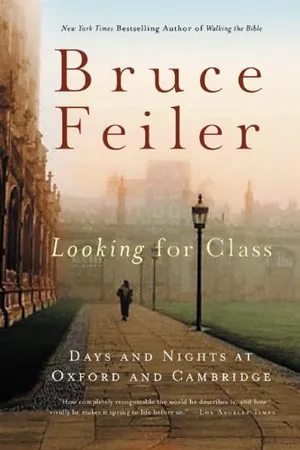
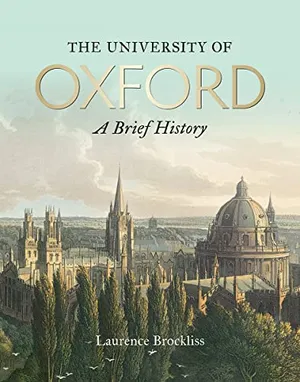
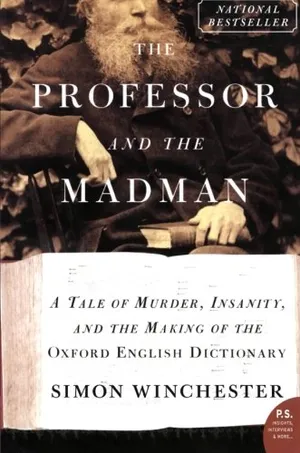
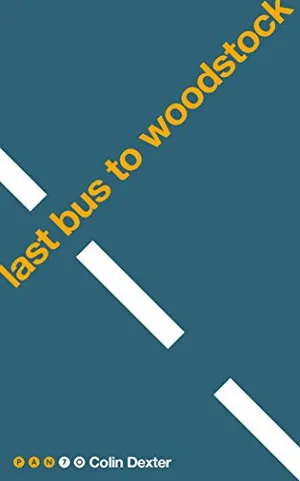
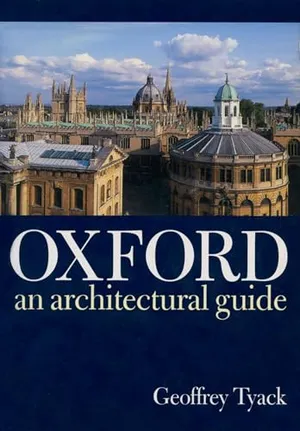
Below are a few books about Oxford which you can also read to prepare you for your visit.
Recommended books about Oxford
Testimonials
What our travelers are saying...
— Christopher B.The Smithsonian at Oxford provides an accessible educational experience, nicely balanced with opportunities to visit nearby sites of interest. The Smithsonian at Oxford also provides an opportunity to experience true student life again.
— Philip P.Living and studying in a centuries-old setting that famous people have lived is just...awesome!!
— Lyn G.The warm reception we received at Merton College made us feel that we really were Oxford students — a very special sense of belonging.
— Katherine M.The Oxford University tour was an extraordinary chance to delve into the history, architecture, and erudition of Oxford. The Merton College tutor was prepared and dedicated. Fellow travelers provided the extra inspirational touch! Amazing....
Travel Insurance
For the convenience of our travelers, Smithsonian Journeys includes a basic medical expense and evacuation plan through Trip Mate, a Generali Global Assistance & Insurance Services brand, at no additional charge. This plan provides post-departure Medical and Dental coverage of $250,000 per person and Emergency Assistance and Transportation coverage of $1,000,000 per person (U.S. Residents Only). Note: For full details regarding these coverages please review the following Plan Documents here.
In addition, we recommend that travelers purchase a travel protection plan to help protect their travel investment from unforeseen events such as cancellation due to illness, flight delays due to adverse weather, baggage loss, and more. For your convenience, Smithsonian Journeys offers an optional Travel Protection Plan administered by Trip Mate, a Generali Global Assistance & Insurance Services brand. For those interested, optional "Cancel for Any Reason" coverage is available for an additional charge. Note: Certain eligibility requirements apply and Cancel for Any Reason coverage is not available to New York residents. For full details regarding this coverage please review the following Plan Documents here.
To learn more about the Travel Protection Plan, you may visit https://www.generalipartner.com/smithsonianjourneys or call the administrator, Trip Mate, a Generali Global Assistance & Insurance Services brand at (866) 501-3252.
Related Tours
/https://tf-cmsv2-journeys-media.s3.amazonaws.com/filer/1a/d4/1ad4ef3c-b5a0-4a11-96b8-d1bc2704d272/eng_oxford_allsoulscollege_dt14695616.jpg)
Literary England: A Tailor-Made Journey from London to the Lake District
9 days
|
from:
$11,745
Suggested Itinerary
/https://tf-cmsv2-journeys-media.s3.amazonaws.com/filer/67/f5/67f520bc-9431-4be8-a1c9-6fea37ec18eb/eng_lakedistrictnp_grasmere_dt_m_17363050.jpg)
England's Lake District: A One-Week Stay in Historic Cumbria
9 days
|
from:
$6,490
Multiple departures between 2026 & 2027
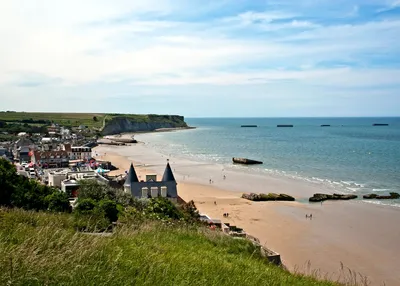
D-Day: Retracing History from England to France
8 days
|
from:
$7,595
Multiple departures between 2026 & 2027
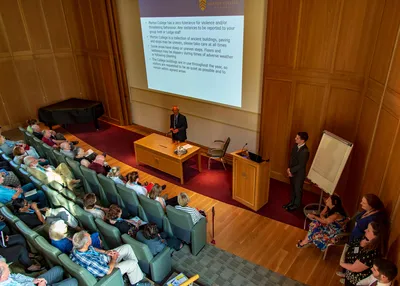
Smithsonian Seminar at Oxford: Two Weeks of In-Depth Study at Merton College
15 days
|
from:
$9,995
Aug 7 - 21, 2027
/https://tf-cmsv2-journeys-media.s3.amazonaws.com/filer/bf/2f/bf2fea37-c3d1-42fd-bf58-75e042d849c6/eng_london_parliamentthames_ist_000015381829_large.jpg)
Highlights of Britain
14 days
|
from:
$8,671
* Price includes airfare
Multiple departures between 2026 & 2027
/https://tf-cmsv2-journeys-media.s3.amazonaws.com/filer/01/de/01ded5f0-0247-4aa8-8e11-a5d3c327f684/eng_london_bigbenhousesofparliament_ata.jpg)